



Pesto alla genovese: why the olive oil makes or breaks it
Pesto alla genovese: why the olive oil makes or breaks it
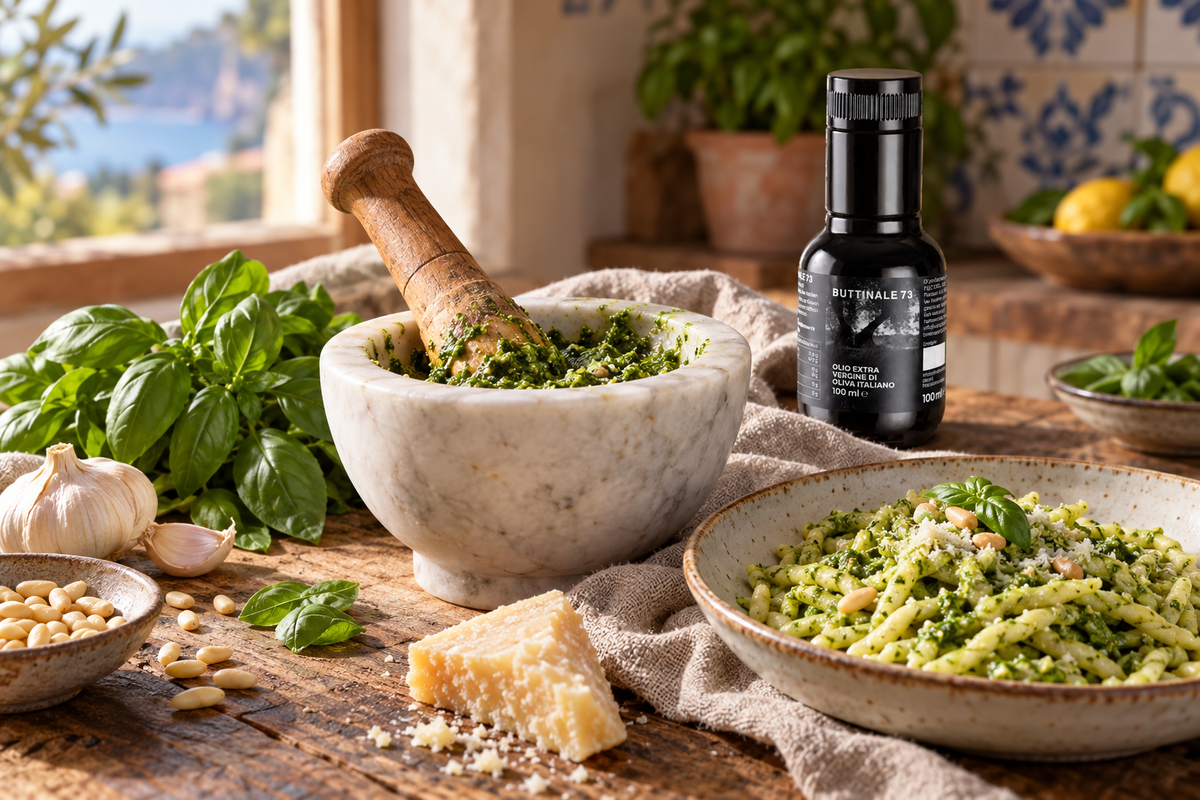
A classic pesto alla genovese needs seven ingredients: basil, pine nuts, garlic, Parmesan, Pecorino, coarse salt and olive oil. Two things matter most. Nothing should get warm, and the oil has to suit the basil. A fruity olive oil with a gentle peppery kick carries the herb; a very bitter or peppery one drowns it out.
Pesto isn’t cooked. The oil makes up a large part of the sauce, and you taste it on its own. So it pays to be fussier here than with the oil you fry with. Below you’ll find the quantities in tablespoons, both methods (pestle and mortar or blender) and how to bring pesto and pasta together with a splash of pasta water.
Time: 32 mins · Serves: 4 · Difficulty: easy
By Babak Kharabi. Header image: created with AI.
Ingredients
- 400 g trofie or linguine
- 50 g basil leaves (about 2 to 3 pots or 2 large bunches)
- 2 tbsp pine nuts (about 20 g)
- 1 to 2 garlic cloves
- 1 pinch of coarse sea salt
- 40 g Parmesan (Parmigiano Reggiano), finely grated
- 20 g Pecorino (Fiore Sardo or Pecorino Romano), finely grated
- 6 tbsp extra virgin olive oil, fruity and only mildly peppery
- 1 tbsp extra virgin olive oil, to serve
- salt for the pasta water
Method
- Prep. Pick the basil leaves, give them a quick swish in cold water and pat them dry between tea towels without rubbing. Finely grate the Parmesan and Pecorino. If you’re using a blender, put the jug and blade in the freezer for 10 minutes.
- Pine nuts. Traditionally they go into pesto untoasted, which keeps it paler and milder. If you like it nuttier, toast them in a dry frying pan until light golden, then let them cool completely.
- With a pestle and mortar. Grind the garlic and coarse salt to a paste. Add the pine nuts and crush them. Add the basil a handful at a time and grind it against the side of the mortar in a circular motion rather than pounding it. Stir in both cheeses, then work in the 6 tbsp olive oil a spoonful at a time until you have a thick, glossy sauce.
- Or in a blender. Pulse the garlic, salt and pine nuts briefly in the chilled jug. Add the basil and 2 tbsp olive oil and chop in short bursts of 2 to 3 seconds, pausing in between. Never let it run continuously, or the mixture will warm up. Transfer to a bowl and stir in the cheese and the remaining 4 tbsp oil with a spoon.
- Cook the pasta. Cook the trofie or linguine in plenty of salted water until al dente. Just before draining, scoop out a mugful of the cooking water.
- Bring it together. Put the pesto in a large bowl and loosen it with 2 to 3 tbsp pasta water until smooth. Drain the pasta and add it to the bowl still dripping wet. Toss well until the sauce turns creamy and coats the pasta, adding more pasta water if needed. Don’t put it back on the hob.
- Serve. Divide between plates straight away, drizzle with 1 tbsp olive oil and grate over a little more cheese, if you like.
Which olive oil belongs in pesto
Pesto is a raw sauce. The oil isn’t heated and nothing masks it, so whatever you taste in the bottle ends up on the plate. That means it has to be extra virgin olive oil. But extra virgin is a minimum standard, not a mark of excellence. More on this in Extra virgin, virgin, cold pressed: what the olive oil labels really mean.
The flavour profile matters more. Basil is aromatic but delicate, and the garlic and Pecorino already bring heat and salt. An intensely bitter, strongly peppery oil fights the herb instead of carrying it. A completely neutral oil leaves the pesto flat and greasy. A fruity oil with green notes and a gentle peppery finish works best. Bitterness and a peppery bite are good things in olive oil; in pesto it’s simply a question of how much. We explain where that tickle comes from in Why good olive oil catches in your throat.
In Liguria, cooks have traditionally used fairly mild oils. It’s not a rule, but it’s a good guide: the oil should bind the pesto, not dominate it.
Where pesto usually goes wrong
- Heat: A blender that runs hot, or pesto tipped into a hot pan, turns the basil dark and dulls the flavour.
- Blending all the oil for too long: Olive oil can turn bitter at high speed. That’s why most of it is stirred in with a spoon at the end.
- Wet leaves: Water thins the pesto and stops the oil and cheese emulsifying into a smooth sauce.
- Too much garlic: Raw garlic gets stronger by the hour. Start with one clove.
Which of our oils we use, and why
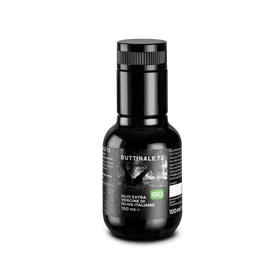
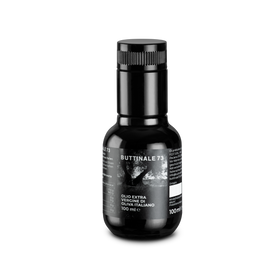
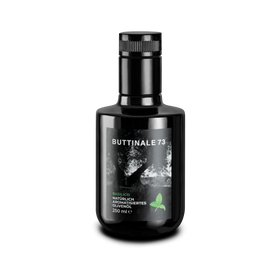
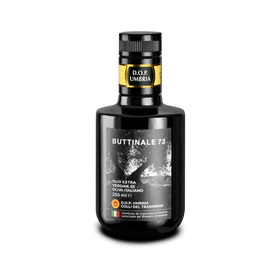
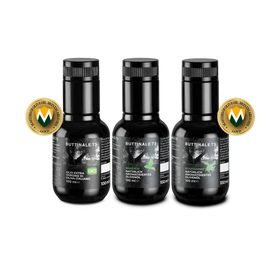
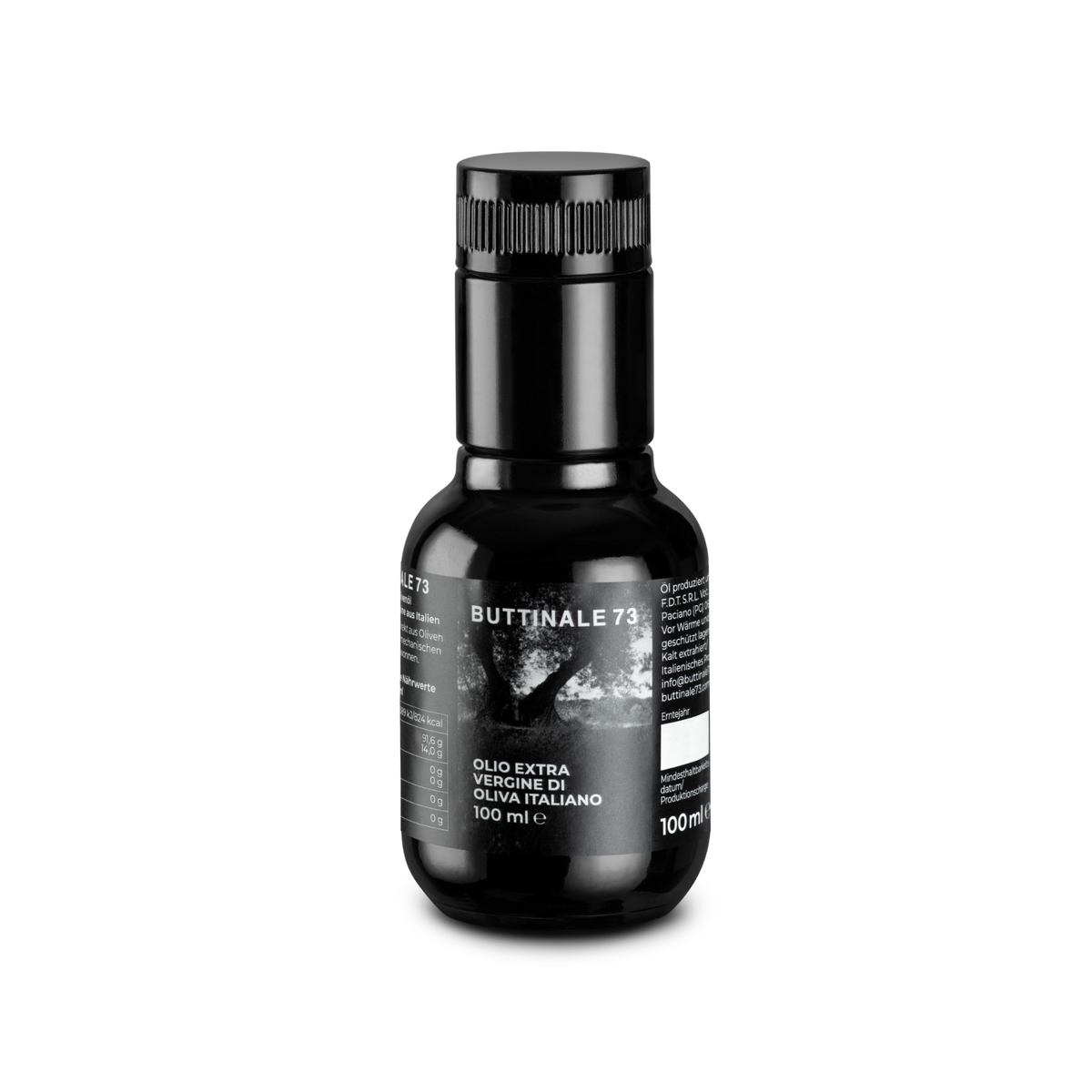
For pesto we use BUTTINALE73 Manufaktur: grassy and fruity, with notes of almond and artichoke and a gentle peppery finish. The almond picks up the pine nuts, the green notes suit the basil, and the peppery finish is subtle enough not to double up on the garlic. The olives are carefully harvested and cold pressed below 27 °C on the same day at our own olive mill in Paciano, Umbria.
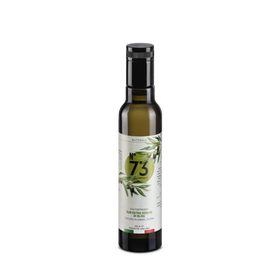
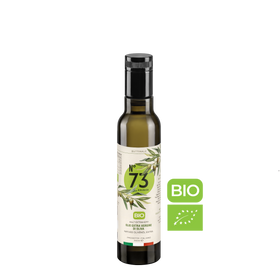
Our second range, No 73 ORIGINALE, is our premium oil for every day: machine-harvested, tasted by a panel and selected, and also extra virgin. If you often make pesto in big batches, it’s a good option. For a dish where raw oil plays the lead, we reach for Manufaktur.
Got basil left over? It’s great on bread too: How to make proper bruschetta.
Common questions
Can I make pesto without pine nuts?
Yes. Cashews, almonds or walnuts work in the same quantity, but they taste different: walnuts are more bitter, cashews sweeter and creamier. Strictly speaking, it’s then a basil pesto rather than pesto alla genovese.
How long does homemade pesto keep?
About 2 to 3 days in the fridge, in a clean jar and covered with a thin layer of olive oil. To keep it longer, freeze it without the cheese in an ice cube tray and stir in freshly grated cheese once it has defrosted. If the oil turns cloudy in the fridge, it clears again at room temperature. That’s not a fault.
Why does pesto turn brown?
Basil oxidises as soon as the leaves are bruised and exposed to air. So work quickly, spoon the finished pesto into a small jar filled close to the top and cover the surface with oil straight away.
Parmesan or Pecorino for pesto?
Traditionally both, roughly two parts Parmesan to one part Pecorino. Parmesan adds depth and a slightly nutty note, Pecorino adds salt and savouriness. If you only use Parmesan, add a little more salt.
Do potatoes and green beans go in trofie al pesto?
In Liguria, trofie are often cooked in the same pan as small cubes of potato and green beans. The potatoes go into the water with the pasta, and the beans, cut into pieces, for the last 5 minutes. The starch from the potatoes makes the sauce even creamier.
What olive oil is best for pesto?
Use an extra virgin olive oil that is fruity and only mildly peppery. Pesto is a raw sauce, so you taste the oil on its own. A very bitter, strongly peppery oil fights the delicate basil.
How much basil do you need for pesto?
For 4 servings you need about 50 g of basil leaves, which is 2 to 3 pots or 2 large bunches. Add 2 tablespoons of pine nuts and 6 tablespoons of olive oil. Dry the leaves well first, or the pesto will be watery.
How do you stop pesto going bitter in a blender?
Chill the blender jug in the freezer for 10 minutes beforehand and never let the blender run continuously. Chop in short bursts of 2 to 3 seconds and add only a little of the oil. Stir in the rest with a spoon at the end, because olive oil can turn bitter at high speed.
You might also like
All recipes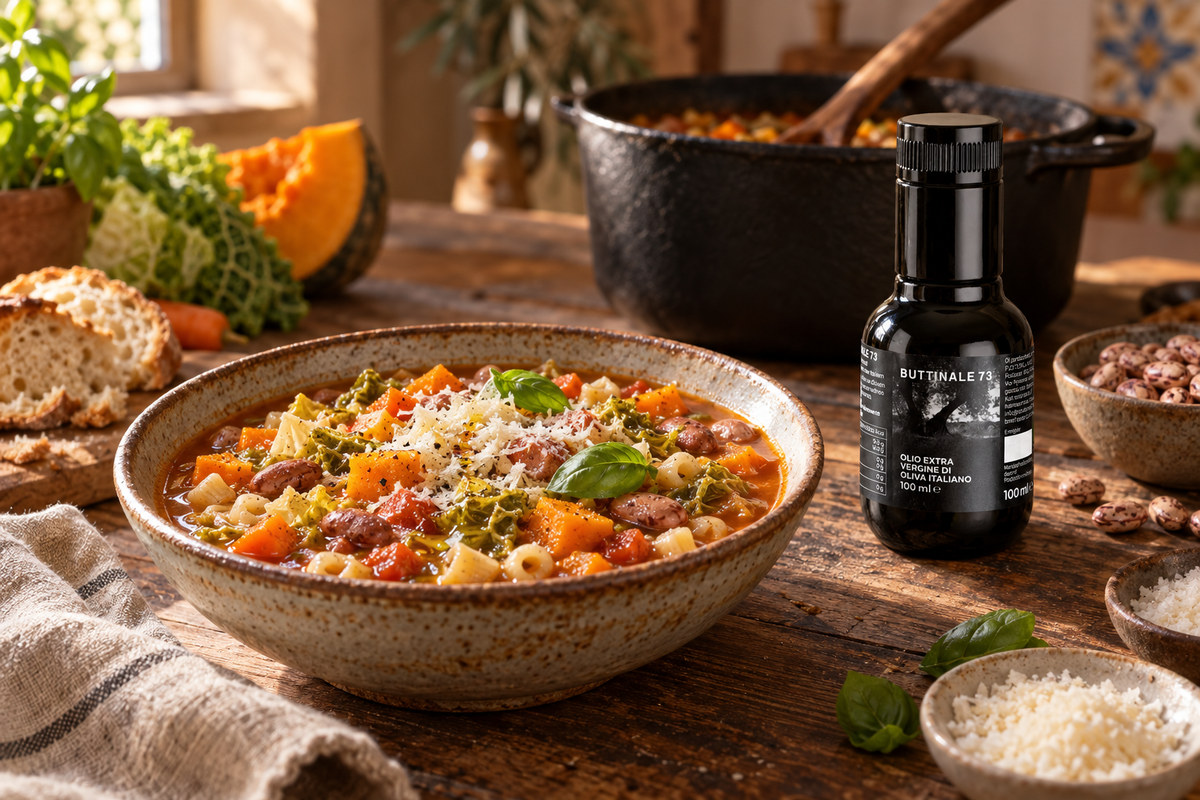
Minestrone: the vegetable soup that isn’t finished until the olive oil goes on top
Classic autumn minestrone with soffritto, squash, savoy cabbage, beans, small pasta and Parmesan rind. It isn’t finished until each bowl gets a thin drizzle of raw olive oil. It tastes even better...
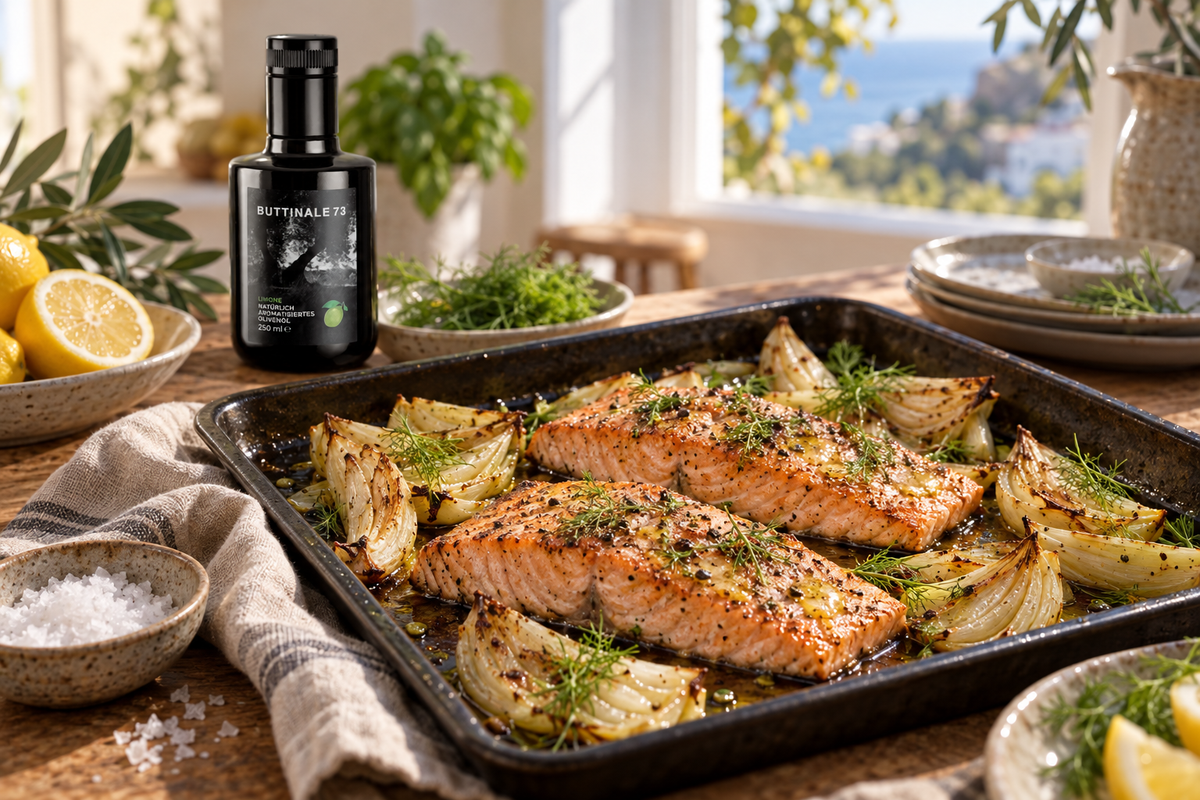
Oven-baked salmon with lemon oil: juicy in 15 minutes
Salmon fillets at 180 °C, brushed with a tablespoon of olive oil, with fennel or courgette on the same tray and lemon oil instead of fresh lemon at the end. Includes exact...
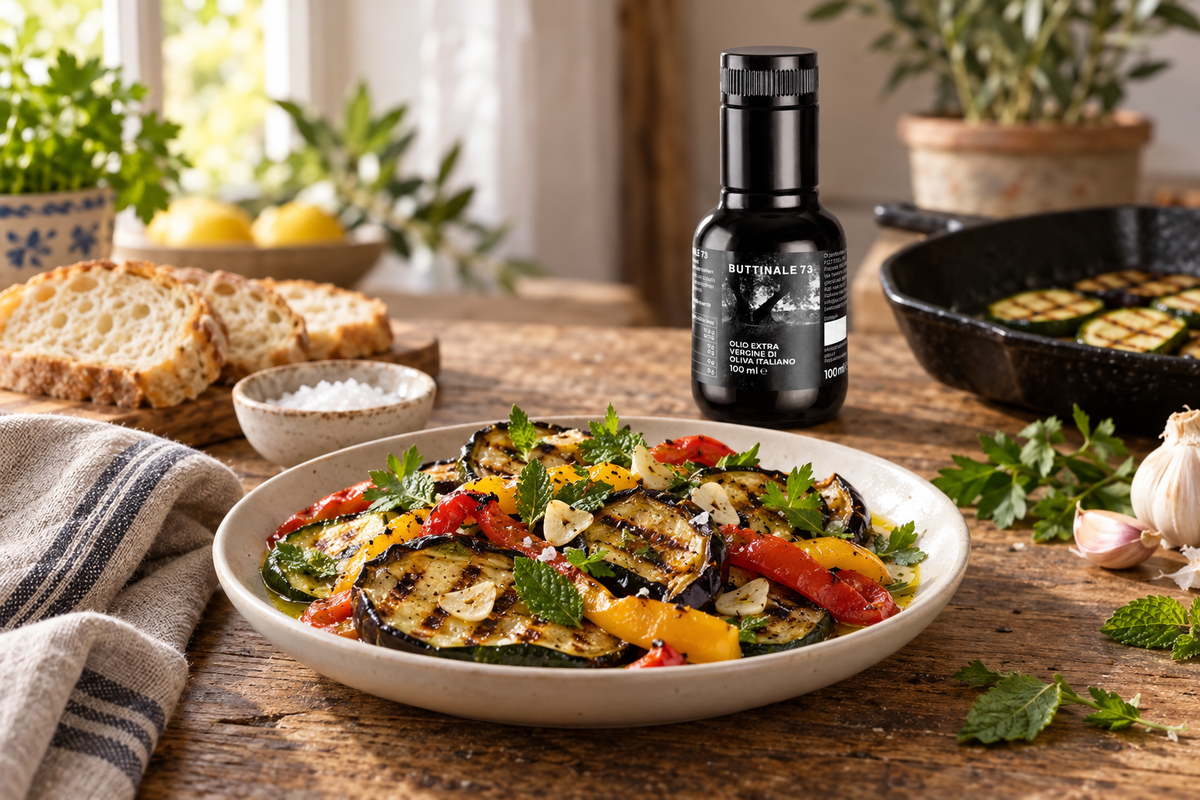
Verdure grigliate: chargrilled vegetables marinated in olive oil
Griddle courgettes, aubergine and peppers without oil, then marinate them while still warm in olive oil with garlic, herbs and vinegar. With exact oil quantities, how long they keep in the fridge...