




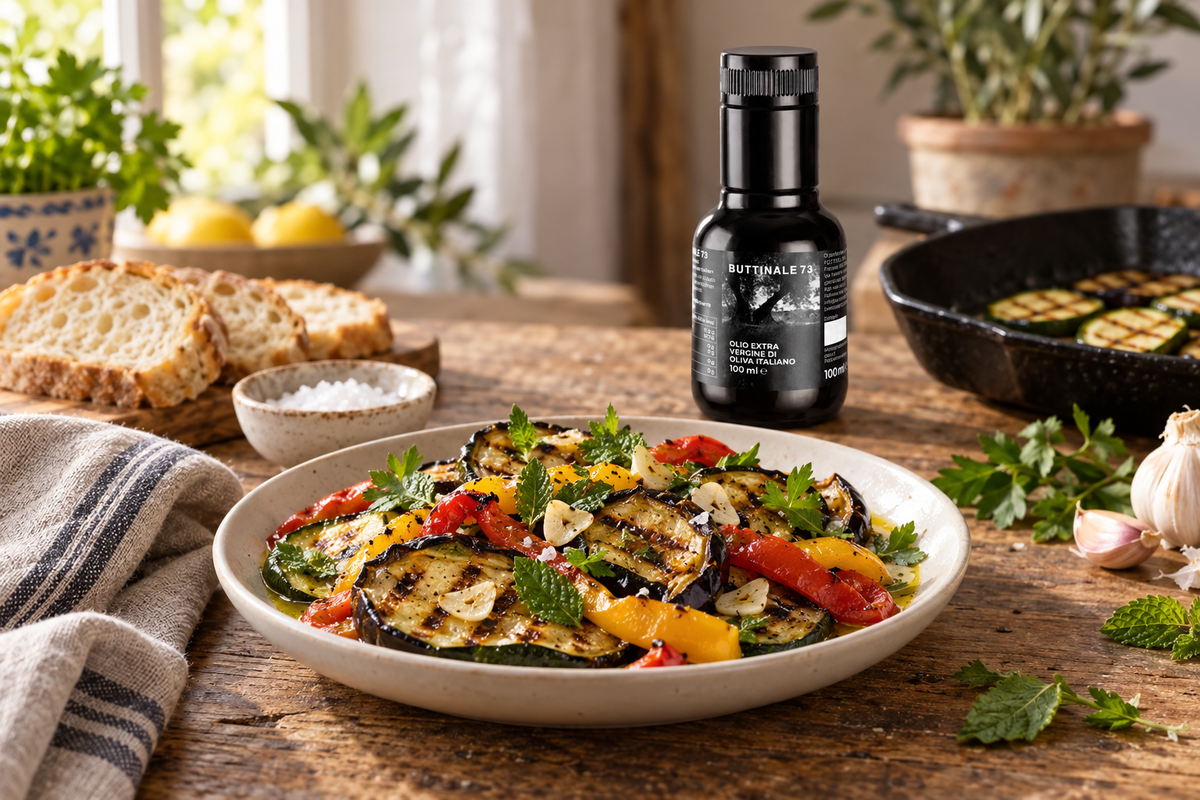
Verdure grigliate: chargrilled vegetables marinated in olive oil
Verdure grigliate: chargrilled vegetables marinated in olive oil
Chargrilled vegetables are best marinated while they’re still warm: straight from the griddle pan into a mix of olive oil, a little vinegar, garlic and fresh herbs. Cook them without oil and add it afterwards. Covered in the fridge, verdure grigliate keep for 2 to 3 days, and they often taste best on the second day.
You’ll need courgettes, an aubergine and peppers, a griddle pan and just under an hour, plus marinating time. This serves four as a starter. The oil is measured in tablespoons, so the vegetables are full of flavour without swimming in it.
Time: 55 mins · Serves: 4 as a starter · Difficulty: easy
By Babak Kharabi. Header image: created with AI.
Ingredients
- 2 courgettes (about 400 g)
- 1 aubergine (about 350 g)
- 2 peppers, red and yellow
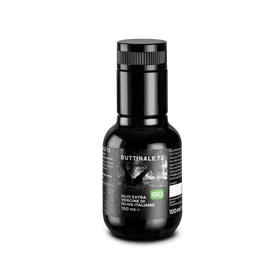
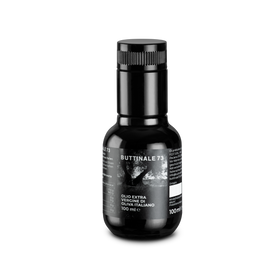
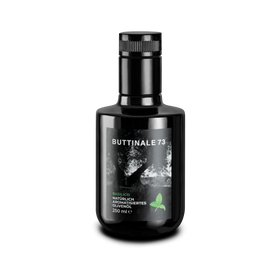
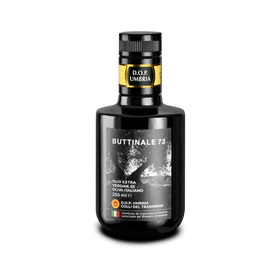
- 8 tbsp BUTTINALE73 Manufaktur (6 tbsp for the marinade, 2 tbsp to finish)
- 2 tbsp white wine vinegar
- 2 garlic cloves
- 1 small bunch of mint or flat-leaf parsley
- ½ tsp sea salt
- freshly ground black pepper
Method
- Slice the vegetables. Slice the courgettes lengthways, about 5 mm thick, and the aubergine 6 to 7 mm thick. Quarter the peppers, remove the seeds and white membranes and press the quarters flat.
- Heat the griddle pan. Heat the dry griddle pan over a high heat for about 5 minutes. Don’t oil or salt the vegetables.
- Griddle and peel the peppers. Griddle the peppers skin side down for 8 to 10 minutes until the skin blisters and blackens, then turn them over for 2 minutes. Put them in a bowl, cover and leave for 10 minutes, then peel off the skin and cut the peppers into wide strips.
- Griddle the aubergine and courgettes. Cook in batches, without overlapping. Griddle the aubergine for 3 to 4 minutes on each side until completely soft and floppy, and the courgettes for 2 to 3 minutes on each side. Don’t move the slices, or you won’t get any char lines. If the aubergine looks dry, resist adding oil: it will soften and soak up the marinade.
- Make the marinade. Thinly slice the garlic and roughly chop the herbs. Mix 6 tbsp olive oil with 2 tbsp vinegar, ½ tsp salt and some pepper.
- Layer while warm. Layer the still-warm vegetables in a shallow dish or a wide jar. Drizzle each layer with a little marinade and scatter with garlic and herbs. Finish by pouring 2 tbsp olive oil over the top layer.
- Leave to marinate. Leave to cool, then cover and marinate in the fridge for at least 1 hour, ideally overnight. Take it out 30 to 60 minutes before serving so the oil turns clear again.
Why griddle without oil?
In a griddle pan, direct contact is what counts: dry vegetables sit right on the ridges and get clean char lines. Oiled vegetables tend to fry instead, the aubergine soaks up oil like a sponge, and the oil gets hotter on the scorching pan than is good for it. Added afterwards, it keeps its flavour. And there’s a simple reason for marinating while warm: straight off the griddle, the vegetables are soft and soak up oil, vinegar and garlic faster than when cold.
How long they keep: 2 to 3 days in the fridge
Marinated vegetables with fresh garlic and herbs aren’t a preserve. Keep them covered in the fridge and eat them within 2 to 3 days. Always use a clean spoon to serve, and don’t leave the dish out uncovered for hours. The oil doesn’t make them keep any longer; the vinegar helps a little, but it’s no substitute for proper preserving.
In the fridge, the oil turns cloudy and starts to set. That’s not a fault. Put the dish on the worktop 30 to 60 minutes before serving: the oil clears again, and the vegetables taste of far more than they do straight from the fridge.
Variations
- Mint or parsley: mint adds freshness and is especially good with courgettes. Parsley is more restrained and leaves more room for the smoky, charred flavour.
- Vinegar: white wine vinegar keeps the colours bright; red wine vinegar is stronger. Dark balsamic stains the vegetables brown, so use 1 tsp at most, if any.
- More vegetables: thinly sliced fennel or spring onions work the same way.
Serving
Serve as an antipasto with white bread, alongside mozzarella, as a side at a barbecue, or on toasted bread like our bruschetta. Don’t pour away the oil in the dish: it has taken on the garlic and herbs and is perfect for dipping.
Which oil, and why
The oil isn’t heated here, so you taste it as it is. A neutral oil gets lost next to the charred flavour, while one with character carries it. We use our BUTTINALE73 Manufaktur: grassy and fruity, with notes of almond and artichoke and a gentle peppery finish. The artichoke note suits the aubergine, the peppery finish the garlic. The olives are harvested and pressed on the same day at our own olive mill in Paciano, Umbria, below 27 °C. If it catches slightly in your throat when you taste it, that’s intentional. We explain why in Why good olive oil catches in your throat.
Common questions
Can I keep marinated chargrilled vegetables for longer than three days?
With fresh garlic and herbs, we wouldn’t recommend it. To keep them longer you’d need a different method, with much more acidity or proper preserving. If you want to cook ahead, freeze the griddled vegetables without the marinade and marinate them once defrosted.
Can I make this on a charcoal or gas barbecue?
Yes, the method is the same: get the barbecue rack very hot and lay the vegetables on it dry. Cut the slices a little thicker, about 8 mm, so they don’t fall through. You can put the peppers on whole and cook them until the skin is black all over.
Do I need to salt the aubergine first?
There’s no need, as modern aubergines are hardly bitter. Salting does draw out some water, so the aubergine softens faster on the griddle. If you do it, pat the slices dry well and go a little easier on the salt in the marinade.
Can I cook the vegetables under the grill instead of in a griddle pan?
Yes. Put the grill on its highest setting and the vegetables on a tray close to the element. Turn the slices after a few minutes, once they’ve taken on colour. You won’t get char lines this way, but you will get the charred flavour.
Why are the vegetables griddled without oil?
Dry vegetables sit right on the ridges of the pan and get clean char lines. Oiled vegetables tend to fry instead, and the aubergine soaks up oil like a sponge. That’s why the oil goes into the marinade afterwards.
Which vegetables are good for antipasti?
Courgettes, aubergine and peppers are the classics. Thinly sliced fennel and spring onions work the same way. The quantities in the recipe serve 4 as a starter.
How long do marinated vegetables need to marinate?
At least 1 hour, ideally overnight in the fridge. Take them out 30 to 60 minutes before serving so the oil clears again. They soak up the marinade best if you layer them while still warm.
You might also like
All recipes
Garlic bread without butter: crisp from the oven with garlic oil
Homemade garlic bread without butter and without chopping any garlic: halve a baguette lengthways, brush with garlic oil, season and bake for 8 to 10 minutes. Plus a Parmesan version and tips...
Roast potatoes with rosemary oil: crisp outside, fluffy inside
Crispy roast potatoes in three steps: parboil briefly, steam dry, rough up. Roast them in No 73 ORIGINALE and save the rosemary oil and fleur de sel for when they come out...
Burrata with roasted tomatoes: hot, cold and an oil you can really taste
Burrata as a starter: roast cherry tomatoes with olive oil and thyme at 180 °C and serve them warm with cool burrata, a drizzle of raw olive oil and bread. With exact...