




Oven-baked salmon with lemon oil: juicy in 15 minutes
Oven-baked salmon with lemon oil: juicy in 15 minutes
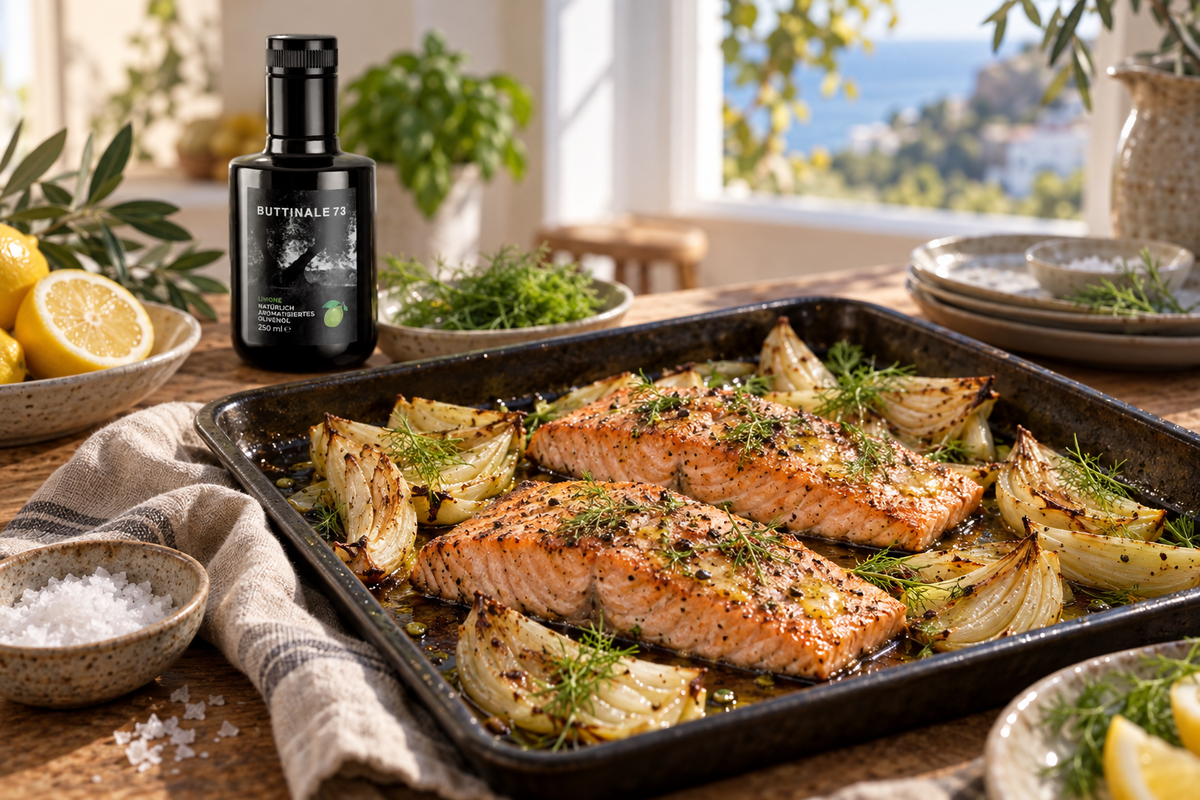
For juicy oven-baked salmon, keep the oven moderate: 180 °C (160 °C fan) for 12 to 15 minutes, depending on how thick the fillets are. A tablespoon of olive oil on the fish is all you need. The vegetables share the tray: fennel goes in first, courgette goes in with the salmon.
The lemon comes in right at the end, as lemon oil over the cooked fish. That way its aroma stays fresh rather than fading in the heat, and you don’t need a grater or a juicer. The recipe serves two and is easy to double on a large tray.
Time: 35 mins · Serves: 2 · Difficulty: easy
By Babak Kharabi. Header image: created with AI.
Ingredients
- 2 salmon fillets, about 150 g each, skin on or off, 2 to 3 cm thick
- 1 large fennel bulb (about 300 g) or 2 small courgettes
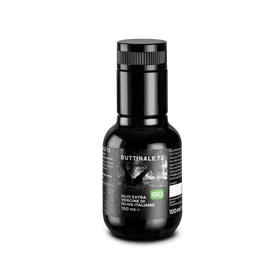
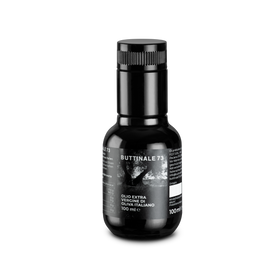
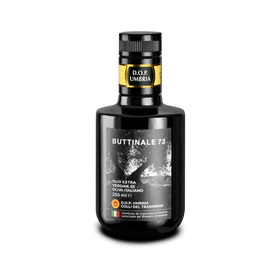
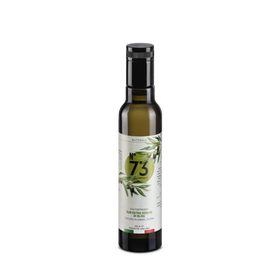
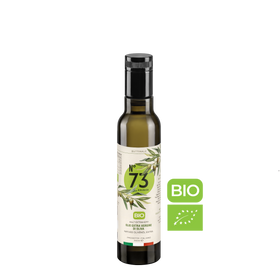
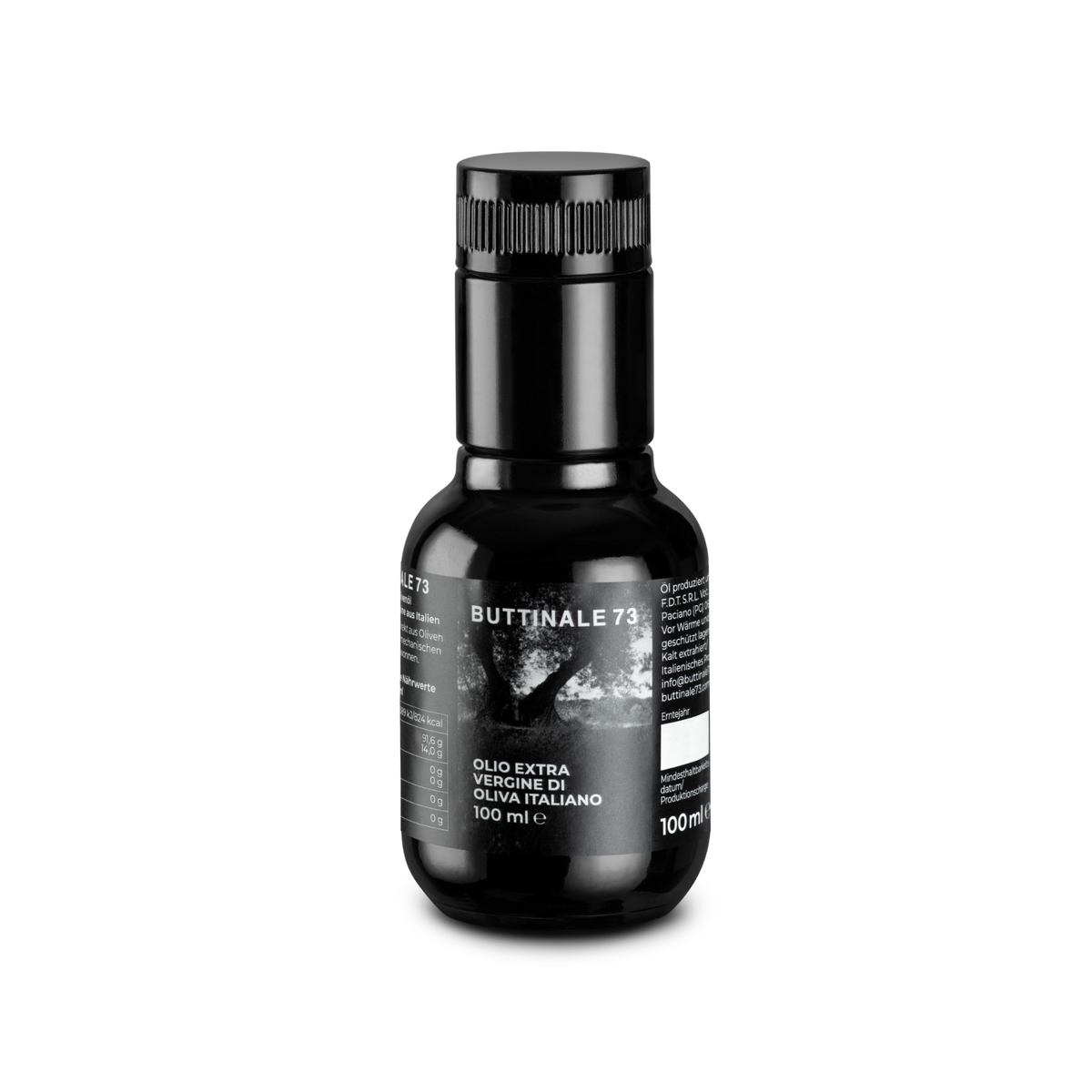
- 3 tbsp BUTTINALE73 Manufaktur (2 tbsp for the vegetables, 1 tbsp for the salmon)
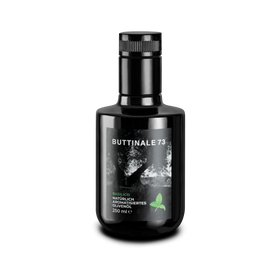
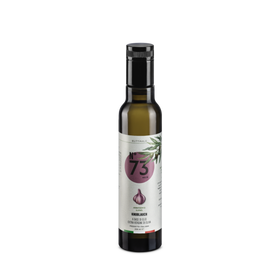
- 2 tbsp BUTTINALE73 Manufaktur Lemon, to drizzle
- salt, ideally coarse sea salt
- freshly ground black pepper
- a few fennel fronds or a little dill (optional)
Method
- Heat the oven. Heat the oven to 180 °C (160 °C fan). Take the salmon out of the fridge about 15 minutes before cooking so it cooks more evenly.
- Prep the vegetables. Wash and halve the fennel, cut out the tough core and slice each half into wedges about 1 cm wide. Or cut the courgettes into 1 cm slices. Toss the vegetables with 2 tbsp BUTTINALE73 Manufaktur, salt and pepper, then spread them out on a baking tray lined with baking paper.
- Give the fennel a head start. Roast the fennel on its own for 10 minutes, as it takes longer than the fish. Courgettes don’t need a head start: they go in with the salmon.
- Prep the salmon. Pat the fillets dry with kitchen paper, season lightly with salt and brush all over with 1 tbsp BUTTINALE73 Manufaktur. If they have skin, they go on the tray skin side down.
- Cook the salmon. Push the vegetables to one side of the tray, lay the fillets alongside and cook for 12 to 15 minutes. Thin fillets are usually done after 12 minutes; thick ones need the full 15.
- Check it’s done. Push a fork into the thickest part and twist gently. If the flesh flakes apart and the centre is only just translucent, it’s ready. If not, give it another two or three minutes and check again.
- Serve with lemon oil. Divide the salmon and vegetables between two plates and drizzle 1 tbsp BUTTINALE73 Manufaktur Lemon over each. Finish with black pepper and fennel fronds or dill, if using, and serve straight away.
Why 180 °C and not hotter
Salmon is delicate and oily. In a hot oven, the outside tightens up fast, pushes out its juices and leaves white beads of protein on the surface. At 180 °C the fillet cooks more evenly, so the outside stays moist while the middle catches up. Up to about 180 °C is generally considered fine for extra virgin olive oil, so you can brush the fish with it before it goes in.
How to check it’s cooked
You don’t need a thermometer. Push a fork into the thickest part and twist gently. If the flesh flakes apart and the centre is only just translucent, take the tray out: the fish will carry on cooking on the hot tray for a minute or two. If the middle still looks raw and feels firm, give it another two or three minutes and check again. Better to check twice than overcook it. Overcooked salmon turns dry and stringy, and there’s no going back.
Variations
- Fennel and courgette together: give the fennel a 10-minute head start, then add the courgette with the salmon.
- With potatoes: halve some baby potatoes, toss them with 1 tbsp olive oil and roast for about 25 minutes before the salmon and vegetables go in.
- Herbs: scatter over dill, flat-leaf parsley or fennel fronds once the fish is cooked, not before.
- Leftovers: flake the cold salmon over salad leaves with a spoonful of lemon oil and a little pepper.
Which oil for what
For brushing the fish and tossing the vegetables we use BUTTINALE73 Manufaktur: grassy and fruity, with notes of almond and artichoke and a gentle peppery finish. It’s pressed at our own olive mill in Paciano, Umbria, on the day of harvest, below 27 °C. That peppery note works well with the aniseed flavour of fennel. If it catches in your throat, that’s a good sign: we explain why in Why good olive oil catches in your throat. That said, any extra virgin olive oil you like will do for brushing.
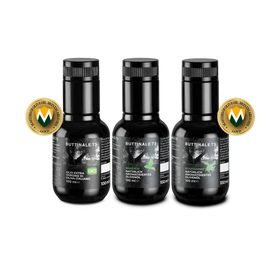
To finish we use BUTTINALE73 Manufaktur Lemon, a flavoured olive oil from the same range. It only goes on the cooked fish, so the lemon aroma isn’t lost in the oven. Two tablespoons are plenty for two fillets and their vegetables. The 100 ml bottle is a good way to try it; if you find yourself using lemon oil on salads or griddled vegetables, the 250 ml bottle makes more sense.
Common questions
Should you bake salmon with the skin on or off?
Either works. The skin sits underneath, protects the flesh from the hot tray and peels off easily afterwards. It won’t crisp up in a moderate oven, though: for crispy skin you need a frying pan.
Can I cook frozen salmon in the oven?
Yes, but defrost it slowly in the fridge overnight first. Cooked from frozen, the outside dries out before the middle is done. Pat it dry well after defrosting, or water will pool on the tray.
Can I make this recipe with fresh lemon?
Yes. Use a little zest from an unwaxed lemon and a squeeze of juice, plus a tablespoon of olive oil. Fresh juice tastes sharper and more direct; lemon oil gives a rounder flavour that carries across the fish and vegetables.
Which oven setting is better: fan or conventional?
For a single tray, a conventional oven at 180 °C gives the most predictable results. In a fan oven, set it to about 160 °C, because the moving air cooks more fiercely. The cooking time stays about the same; the fork test has the final say.
How long can I keep cooked salmon?
Keep it well covered in the fridge and eat it within two days. It’s good cold, flaked over salad or on bread. It doesn’t reheat well, as it dries out quickly.
How long does salmon take in the oven at 180 °C?
Salmon fillets need 12 to 15 minutes at 180 °C (160 °C fan). Thin fillets are usually done after 12 minutes; thick ones need the full 15.
How do I know when salmon is cooked?
Push a fork into the thickest part and twist gently. If the flesh flakes apart and the centre is only just translucent, it’s ready. It will carry on cooking on the hot tray for another minute or two.
How should I season oven-baked salmon?
Salt and pepper are all it needs, plus a little olive oil for brushing. Add herbs such as dill, flat-leaf parsley or fennel fronds after cooking, so their aroma stays fresh.
You might also like
All recipes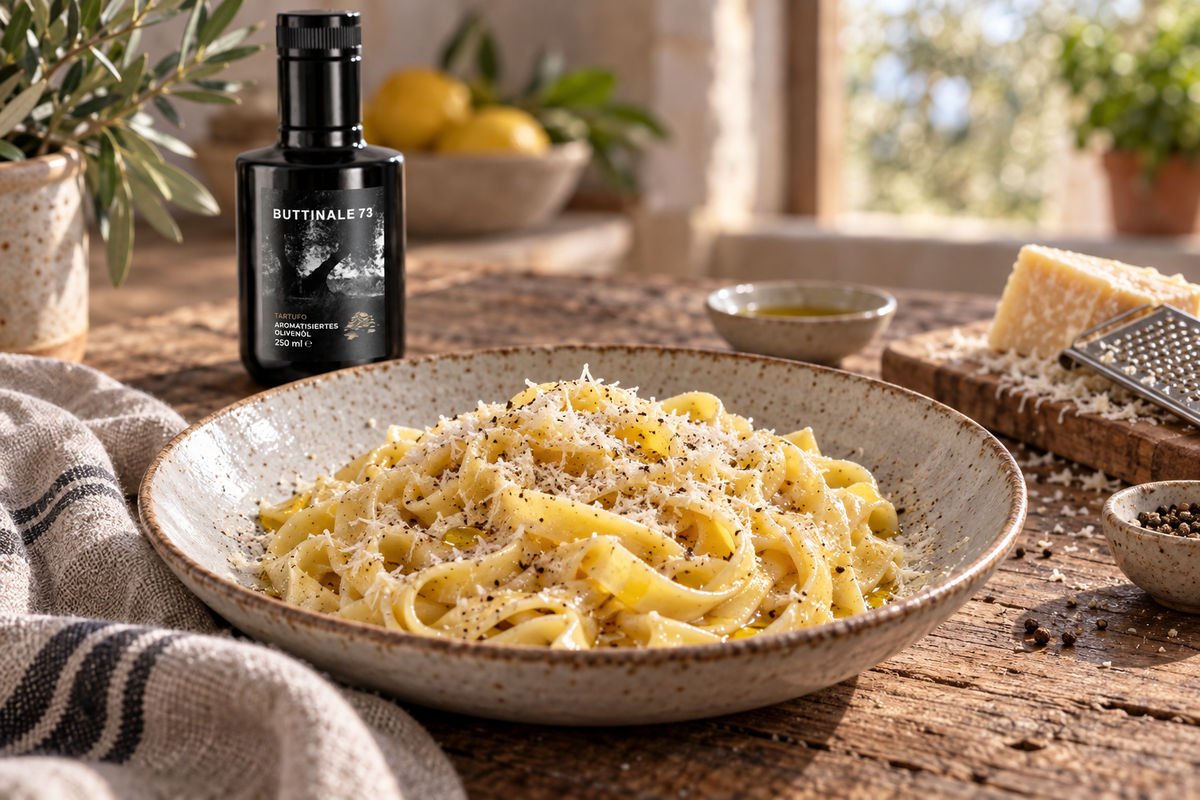
Tagliatelle with butter, Parmesan and truffle oil: dinner in 15 minutes
Tagliatelle tossed with butter, Parmesan and pasta water until creamy, with the truffle oil added on the plate. One teaspoon per serving is enough for the truffle flavouring to set the tone...
Ribollita: Tuscan bread soup finished with olive oil
Ribollita is the Tuscan soup of white beans, cavolo nero, root vegetables and stale bread that rests overnight and is brought back to the boil the next day. Serves 4, with realistic...
Roast potatoes with rosemary oil: crisp outside, fluffy inside
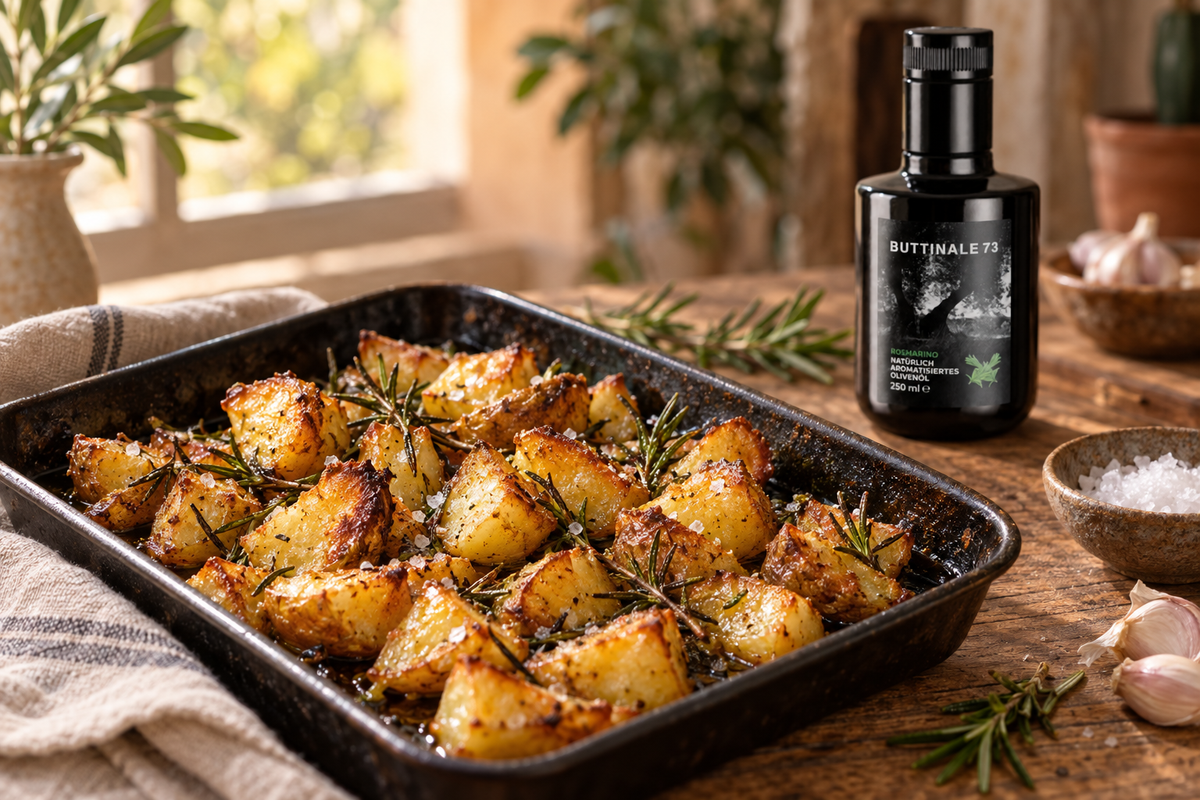
Crispy roast potatoes in three steps: parboil briefly, steam dry, rough up. Roast them in No 73 ORIGINALE and save the rosemary oil and fleur de sel for when they come out...