



Ribollita: Tuscan bread soup finished with olive oil
Ribollita is a thick soup from Tuscany: white beans, cavolo nero, root vegetables and stale bread. You cook it, leave it overnight and bring it back to the boil the next day, hence the name: ribollita means ‘reboiled’. It isn’t finished until each bowl gets a drizzle of raw olive oil.
Be warned: it takes two days. Dried beans need 12 hours’ soaking, then there’s about 30 minutes of chopping and a good two hours on the hob. The soup then rests overnight in the fridge and takes 20 minutes to reheat the next day. With jarred beans you can make it in a day; the quick version is below the recipe.
This makes enough for 4 as a main course.
Time: 2 hrs 55 mins, plus resting overnight · Serves: 4 · Difficulty: easy
By Babak Kharabi. Header image: created with AI.
Ingredients
- 250 g dried white beans (cannellini), or 2 jars of about 240 g drained weight each
- 1 bay leaf
- 2 sage sprigs
- 1 red onion
- 2 carrots (about 200 g)
- 2 celery sticks
- 2 garlic cloves
- 3 tbsp extra virgin olive oil, for the soffritto
- 200 g tinned peeled tomatoes
- 400 g cavolo nero or savoy cabbage
- 1 floury potato (about 150 g)
- 2 thyme sprigs
- about 1.2 litres bean cooking water or vegetable stock
- 250 g stale white bread, at least 2 days old
- salt and freshly ground black pepper
- 4 to 8 tbsp extra virgin olive oil, to drizzle raw (1 to 2 tbsp per bowl)
- 1 small red onion, thinly sliced into rings, to serve (optional)
Method
- Soak the beans. The day before, soak the dried beans in plenty of cold water for 12 hours. They double in size, so use a large bowl.
- Cook the beans. Drain the beans, put them in a pan with 2 litres of fresh water, the bay leaf and sage, and bring to the boil. Simmer gently without salt for 1 hr to 1 hr 30 mins until tender. Drain, saving the cooking water, and top it up with water to 1.2 litres. Remove the bay leaf and sage, then blitz a third of the beans with a little of the cooking water until smooth.
- Sweat the soffritto. Finely dice the onion, carrots and celery. Heat 3 tbsp olive oil in a large pan over a medium heat and sweat the vegetables for 10 to 12 minutes until soft but not coloured. Add the chopped garlic for the last 2 minutes.
- Prep the cabbage and potato. Cut the tough central rib out of the cavolo nero and slice the leaves into 1 cm strips. If using savoy cabbage, remove the core and slice it the same way. Peel the potato and cut it into small cubes.
- Cook the soup. Add the tomatoes to the soffritto, crush them with a spoon and let them cook down for 5 minutes. Add the cabbage, potato, thyme, the whole and blended beans and the cooking water. Cover and simmer gently for 40 minutes until the cabbage is tender. Remove the thyme sprigs, season generously with pepper and go easy on the salt.
- Layer with bread and leave to rest. Cut the bread into thin slices. Layer soup and bread in a pan, finishing with a layer of soup. Leave to cool, then cover and chill overnight. The bread soaks up the liquid and thickens the soup.
- Bring back to the boil. The next day, heat the soup slowly over a medium heat, stirring from the bottom regularly so nothing sticks. If it’s too thick, add a little water. Simmer for 15 to 20 minutes until the bread has broken down and the soup is thick and creamy, then check the seasoning.
- Serve with raw oil. Ladle the ribollita into deep bowls, leave it for a moment, then drizzle 1 to 2 tbsp raw olive oil over each bowl in a thin stream. Add a grinding of pepper and a few raw onion rings, if you like. The oil goes on at the table, never into the pan.
Why the oil goes in twice
In the soffritto, the oil is simply the cooking fat. Over a gentle heat it takes on the flavours of the onion, carrot and celery and carries them through the whole soup. That only takes 3 tbsp. Keep the heat medium: the vegetables should soften, not brown.
The second job is the more important one. Cooked twice, the soup tastes rounded but a little flat. A raw drizzle of 1 to 2 tbsp per bowl brings back what the long cooking takes away: fresh green notes, a touch of bitterness and a gentle peppery finish, exactly what cabbage and beans need. If the oil catches slightly in your throat, that’s not a fault. More on this in Why good olive oil catches in your throat.
The quick version with jarred beans
Use 2 jars of white beans with about 240 g drained weight each. Rinse them, blitz a third with 200 ml water and use 1 litre vegetable stock instead of the cooking water. From step 3 everything is the same, except that the bay leaf and sage go into the soup with the cabbage. Instead of a night in the fridge, leave the layered soup covered for at least an hour, then bring it back to the boil. That way you’re done in about 2 hours. It will be good, just not quite as thick as after a night’s rest.
Bread and texture
Use white bread with a firm crumb that’s at least two days old; fresh bread turns to mush straight away. In Tuscany the bread is unsalted, so don’t season until after reheating. Ribollita should be thick rather than runny: a spoon should almost stand up in it. If it’s too thick, add a splash of water as you reheat it.
Which oil we use
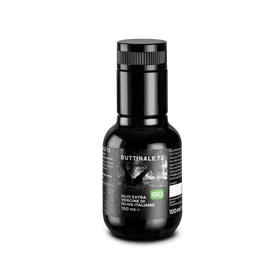
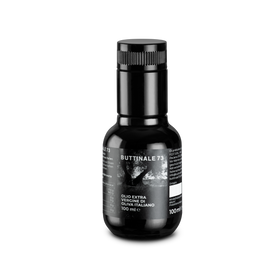
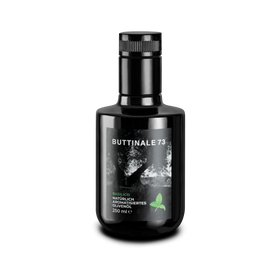
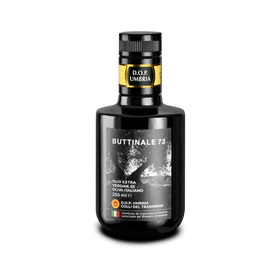
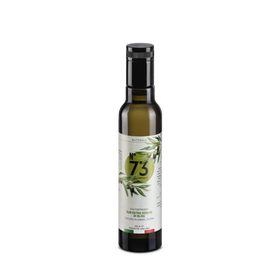
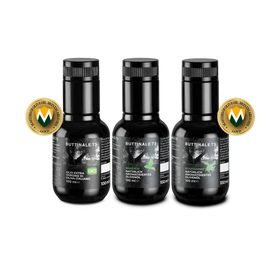
For the soffritto we use No 73 ORIGINALE from our everyday range: an extra virgin olive oil from Italian olives, machine-harvested, tasted by a panel and selected. On top goes BUTTINALE73 Manufaktur: grassy and fruity, with notes of almond and artichoke and a gentle peppery finish. It’s harvested and cold pressed on the same day, below 27 °C. On a soup that’s been cooked twice, you really taste that raw drizzle. Any other fresh, fruity extra virgin olive oil will work too. The main thing is that it goes on raw.
Common questions
Can you freeze ribollita?
Yes, ideally before you layer it with bread, which turns mushy once defrosted. Defrost the soup in the fridge, then layer it with stale bread, let it soak and bring it back to the boil. Save the raw olive oil for serving.
What can I use instead of cavolo nero?
Kale comes closest: it’s similarly robust and keeps its bite during long cooking. Savoy cabbage is milder and softens more quickly, but it works well and is easy to find in winter. Plenty of cooks use a mix of two anyway.
What’s the difference between ribollita and minestrone?
Minestrone is a fairly brothy vegetable soup, often with pasta or rice. Ribollita is layered with stale bread, left to rest and cooked a second time, which makes it so thick it’s almost a stew.
How long does ribollita keep in the fridge?
Well covered, it keeps for two to three days. It thickens every time you reheat it, so add a little water each time, and bring it properly to the boil.
Is ribollita vegan?
In its basic form, yes: beans, vegetables, bread and olive oil. Check that your bread contains no milk or butter and that your stock is plant-based. Some versions simmer a Parmesan rind in the soup, and then it’s no longer vegan.
What does ribollita mean?
Ribollita means ‘reboiled’. The soup is cooked, left overnight and brought back to the boil the next day, when the bread breaks down and thickens it.
How long does ribollita take to make?
With dried beans, allow two days: 12 hours’ soaking, a good two hours on the hob, a night in the fridge and 20 minutes to reheat. With jarred beans you’re done in about 2 hours; the layered soup rests for at least an hour instead of overnight.
Can I use jarred beans for ribollita?
Yes. Use 2 jars of white beans with about 240 g drained weight each. Rinse them, blitz a third with 200 ml water and use 1 litre vegetable stock instead of the bean cooking water. It will be good, just not quite as thick as after a night’s rest.
You might also like
All recipes
Pesto alla genovese: why the olive oil makes or breaks it
Classic pesto alla genovese with basil, pine nuts, garlic, Parmesan and Pecorino: quantities in tablespoons, pestle and mortar or a chilled blender, pasta water to bring it together, and which olive oil...
Minestrone: the vegetable soup that isn’t finished until the olive oil goes on top
Classic autumn minestrone with soffritto, squash, savoy cabbage, beans, small pasta and Parmesan rind. It isn’t finished until each bowl gets a thin drizzle of raw olive oil. It tastes even better...

Pumpkin soup with ginger: the ginger goes on top as a finishing oil
Creamy pumpkin soup made with red kuri (Hokkaido) squash in the style of the Italian vellutata di zucca, with no cream at all. The ginger isn’t cooked: it goes on raw at...