



Minestrone: the vegetable soup that isn’t finished until the olive oil goes on top
Minestrone: the vegetable soup that isn’t finished until the olive oil goes on top
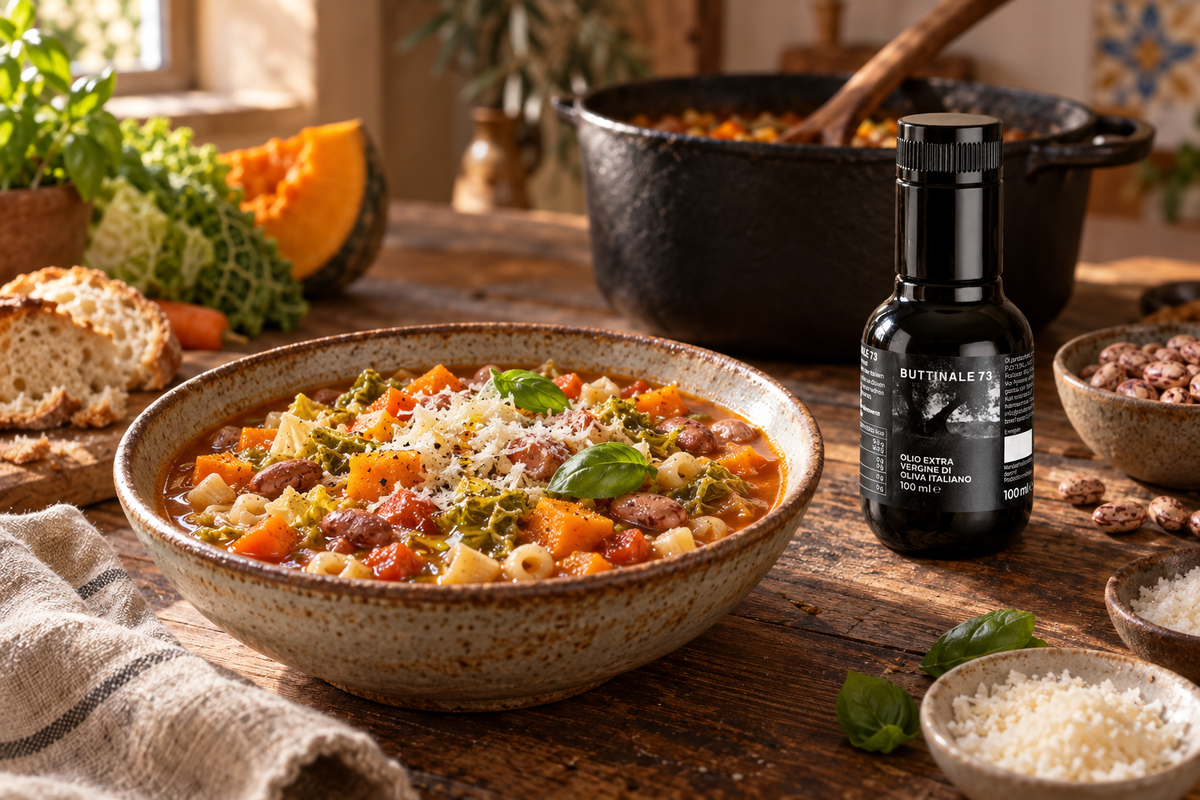
A good minestrone needs three things: a slowly cooked soffritto, seasonal vegetables and a little patience. And it isn’t finished until each bowl gets a thin stream of raw olive oil. That’s how it’s served in Italy, and that last tablespoon is what turns vegetable soup with pasta into minestrone.
There’s no single original recipe. Every region and every family makes it differently, with whatever’s to hand. In autumn that means squash, savoy cabbage and potatoes, plus beans, small pasta and a piece of Parmesan rind, which adds savoury depth as it simmers. Do make the full batch: it tastes even better the next day.
Time: 1 hr 15 mins · Serves: 6 · Difficulty: easy
By Babak Kharabi. Header image: created with AI.
Ingredients
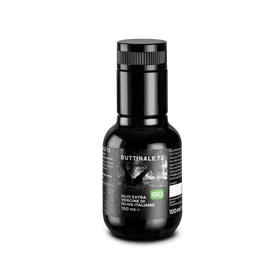
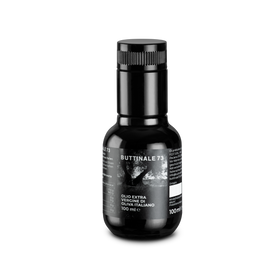
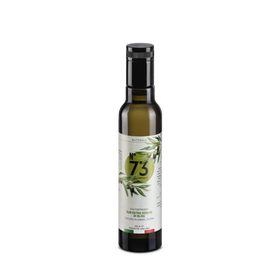
- 3 tbsp No 73 ORIGINALE for the soffritto
- 1 onion
- 2 carrots
- 2 celery sticks
- 2 garlic cloves
- 1 tbsp tomato purée
- 300 g red kuri (Hokkaido) squash
- 2 waxy potatoes (about 250 g)
- 1 courgette
- 200 g savoy cabbage
- 400 g tin chopped tomatoes
- 400 g tin borlotti or cannellini beans, drained
- 1.5 litres water or vegetable stock
- 1 piece of Parmesan rind, about 5 x 8 cm
- 1 bay leaf
- 2 thyme sprigs
- 100 g small pasta, such as ditalini
- salt and black pepper
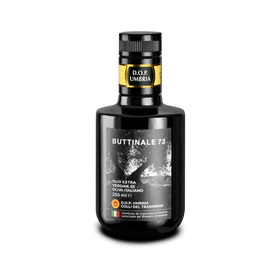
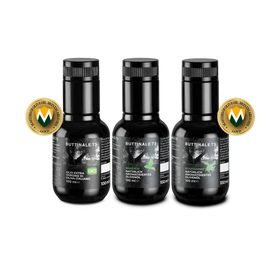
- 6 tbsp BUTTINALE73 Manufaktur, to serve (1 tbsp per bowl)
- freshly grated Parmesan and a few basil leaves, to serve
Method
- Prep the vegetables. Finely dice the onion, carrots and celery, about 5 mm: that’s your soffritto. Finely chop the garlic. Deseed the squash but leave the skin on. Peel the potatoes, then cut both into 1 cm cubes. Dice the courgette the same way and finely shred the savoy cabbage. Rinse the beans in a sieve.
- Sweat the soffritto. Warm 3 tbsp No 73 ORIGINALE in a large pan over a medium heat. Add the onion, carrots and celery with a pinch of salt and cook gently for 8 to 10 minutes until soft and translucent, without letting them brown. Add the garlic for the last minute, then stir in the tomato purée and cook for 1 minute.
- Add the firm vegetables and stock. Stir the squash and potatoes into the soffritto and cook for 2 to 3 minutes. Add the tomatoes, water or stock, Parmesan rind, bay leaf, thyme and 1 tsp salt. Bring to the boil and simmer gently, partly covered, for 20 minutes.
- Add the soft vegetables and beans. Add the courgette, cabbage and beans and simmer for another 10 minutes. If the soup is too thick, add a little hot water.
- Cook the pasta and season. Cook the pasta straight in the soup, usually 8 to 10 minutes according to the packet, stirring now and then. Remove the Parmesan rind, bay leaf and thyme stalks. Season with salt and pepper. If you’re planning to eat some tomorrow, only cook pasta for the bowls you’re serving now.
- Finish with oil. Ladle the soup into deep bowls and leave to stand for 2 minutes, then drizzle 1 tbsp raw BUTTINALE73 Manufaktur over each in a thin stream. Serve with Parmesan, freshly ground pepper and basil.
Why the oil goes in twice
Olive oil does a different job in the pan than in the bowl. In the soffritto it conducts the heat and takes on the flavour of the onion, carrot and celery. That only takes 3 tbsp, and gentle cooking over a medium heat is no trouble for extra virgin olive oil. In the bowl, the oil becomes an ingredient in its own right. Its fruity, grassy notes are volatile and fade during a long simmer, but drizzled raw over hot soup, they release their aroma straight away. A good extra virgin oil can be slightly bitter and catch in your throat. We explain why in Why good olive oil catches in your throat.
The next day
Minestrone tastes more rounded when reheated, because the vegetables, beans and stock have had time to come together. The problem is the pasta: it soaks up liquid overnight and goes soft. If you’re cooking ahead, leave it out and cook it in the soup when you reheat it. Covered in the fridge, the soup keeps for two to three days. Add a splash of water when reheating, as the beans and potatoes thicken it. The oil on top goes on fresh every time.
Variations
- Vegetarian: Parmesan is traditionally made with animal rennet. Leave out the rind and use a vegetarian hard cheese made with microbial rennet.
- Vegan: no rind and no cheese. Season a little more generously instead, and add a second drizzle of oil at the end if you like.
- With bread instead of pasta: put a slice of toasted bread in the bowl and ladle the soup over it. Day-old bread, the kind you’d use for bruschetta, is perfect for this.
- Other vegetables: cavolo nero instead of savoy cabbage, leek instead of onion, green beans and peas in summer. The rule stays the same: firm vegetables first, soft ones last.
Which oil we use for what
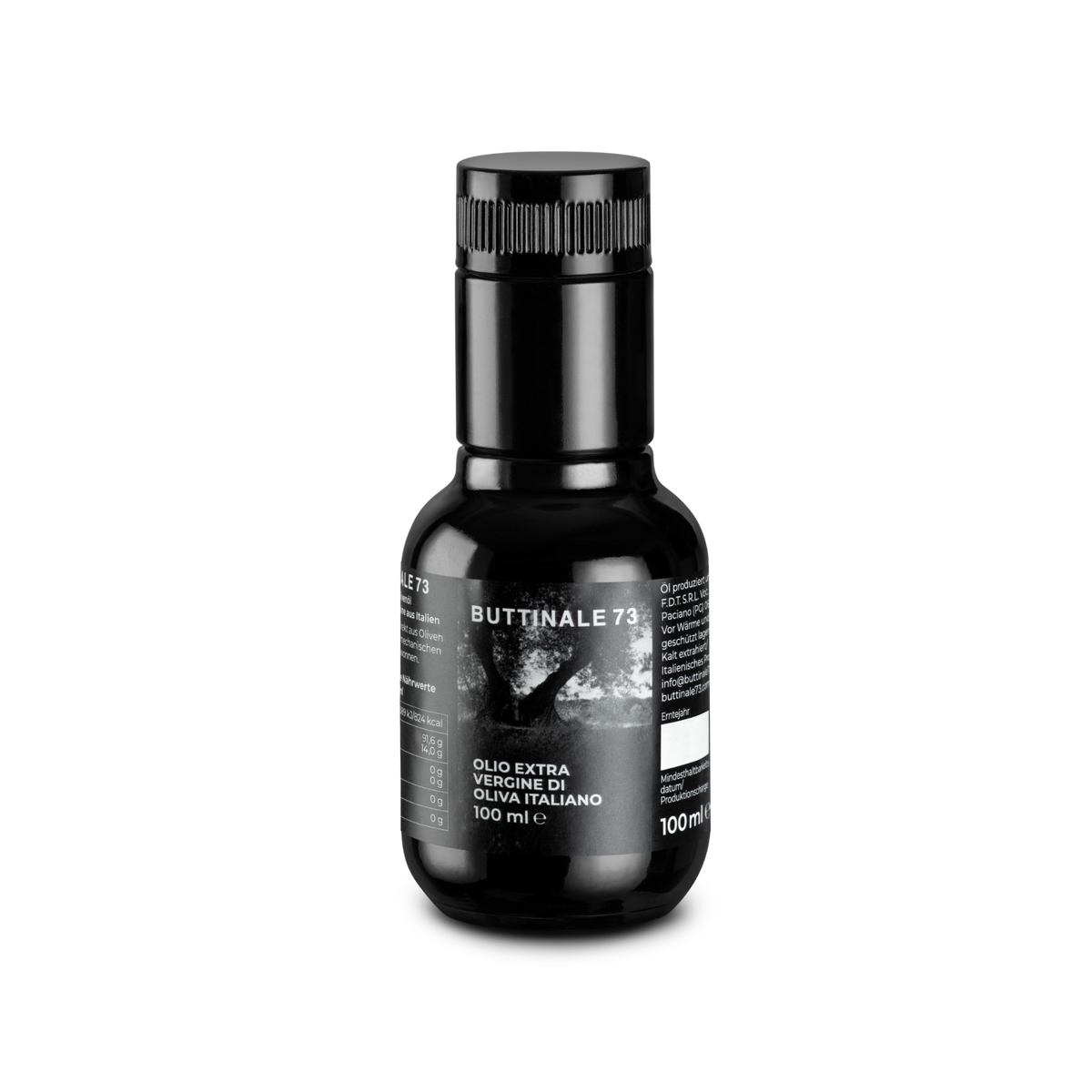
For the soffritto we use No 73 ORIGINALE, from our everyday range: an extra virgin olive oil from Italian olives, machine-harvested, tasted by a panel and selected, and good for anything that goes in the pan. For the drizzle in the bowl we use BUTTINALE73 Manufaktur. It’s carefully harvested and pressed the same day at our own olive mill in Paciano, Umbria, below 27 °C: grassy and fruity, with notes of almond and artichoke and a gentle peppery finish. Those are exactly the aromas you’d lose in the pan; on hot soup they come into their own. If you only have one oil in the house, use it for both. The soup will still be good.
Common questions
What pasta is best for minestrone?
Small, short shapes that fit on a spoon are best: ditalini, tubetti, small macaroni or broken spaghetti. They cook straight in the soup and release a little starch that thickens the soup slightly. Large shapes such as penne make the soup awkward to eat.
Can you freeze minestrone?
Yes, ideally without the pasta, which goes soft and falls apart when defrosted. Potatoes can turn a little mealy after freezing. Freeze the soup in portions and cook fresh pasta in it when you reheat it.
Can I use dried beans instead of tinned?
Yes. Allow about 120 g dried beans per tin. Soak them overnight, then cook them separately in fresh water until tender; how long depends on the variety and how old they are. Salt them only towards the end, then add them to the soup as in the recipe.
What’s the difference between minestra and minestrone?
In Italian, minestra is a general word for soup. The ending -one makes it bigger, so minestrone means something like ‘big soup’: a thick, hearty vegetable soup with pulses and often pasta or rice.
Why put Parmesan rind in soup?
As it simmers, the rind gives the soup savoury depth without making it taste of cheese. Give it a quick scrub first and fish it out before serving. Parmigiano Reggiano rind is pure cheese; wax or plastic rinds don’t belong in the pan.
What goes into minestrone?
Minestrone is made with a soffritto of onion, carrot and celery, seasonal vegetables, tomatoes, beans and small pasta. In autumn that might be squash, savoy cabbage, potatoes and courgette. A piece of Parmesan rind adds savoury depth as it simmers.
How long does minestrone take to cook?
The soup simmers for about 40 minutes in total: 20 minutes with the firm vegetables, then 10 minutes with the soft vegetables and beans, and finally 8 to 10 minutes with the pasta. With the chopping and the soffritto, allow about 1 hr 15 mins. It tastes even more rounded the next day.
Is minestrone vegetarian or vegan?
It’s vegetarian if you leave out the Parmesan rind and use a hard cheese made with microbial rennet. Leave out the rind and the cheese altogether and it’s vegan; just season a little more generously and add a second drizzle of oil at the end.
You might also like
All recipes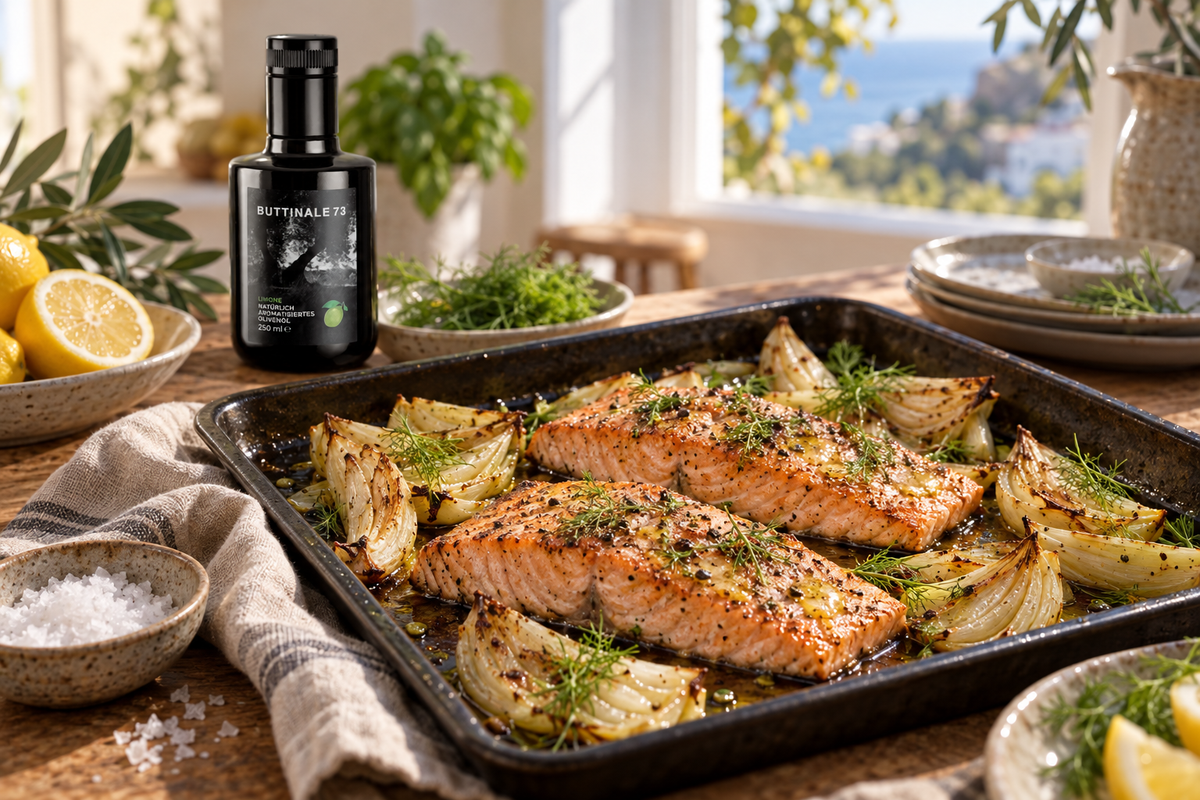
Oven-baked salmon with lemon oil: juicy in 15 minutes
Salmon fillets at 180 °C, brushed with a tablespoon of olive oil, with fennel or courgette on the same tray and lemon oil instead of fresh lemon at the end. Includes exact...
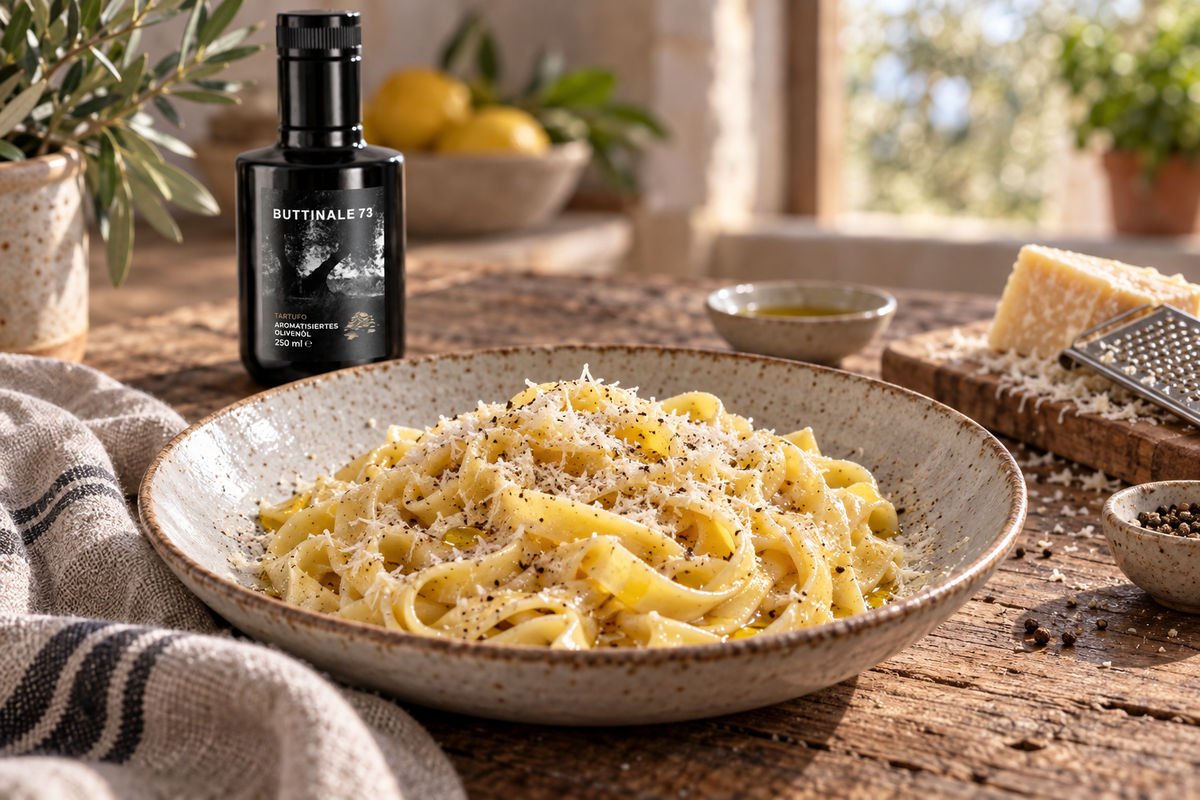
Tagliatelle with butter, Parmesan and truffle oil: dinner in 15 minutes
Tagliatelle tossed with butter, Parmesan and pasta water until creamy, with the truffle oil added on the plate. One teaspoon per serving is enough for the truffle flavouring to set the tone...
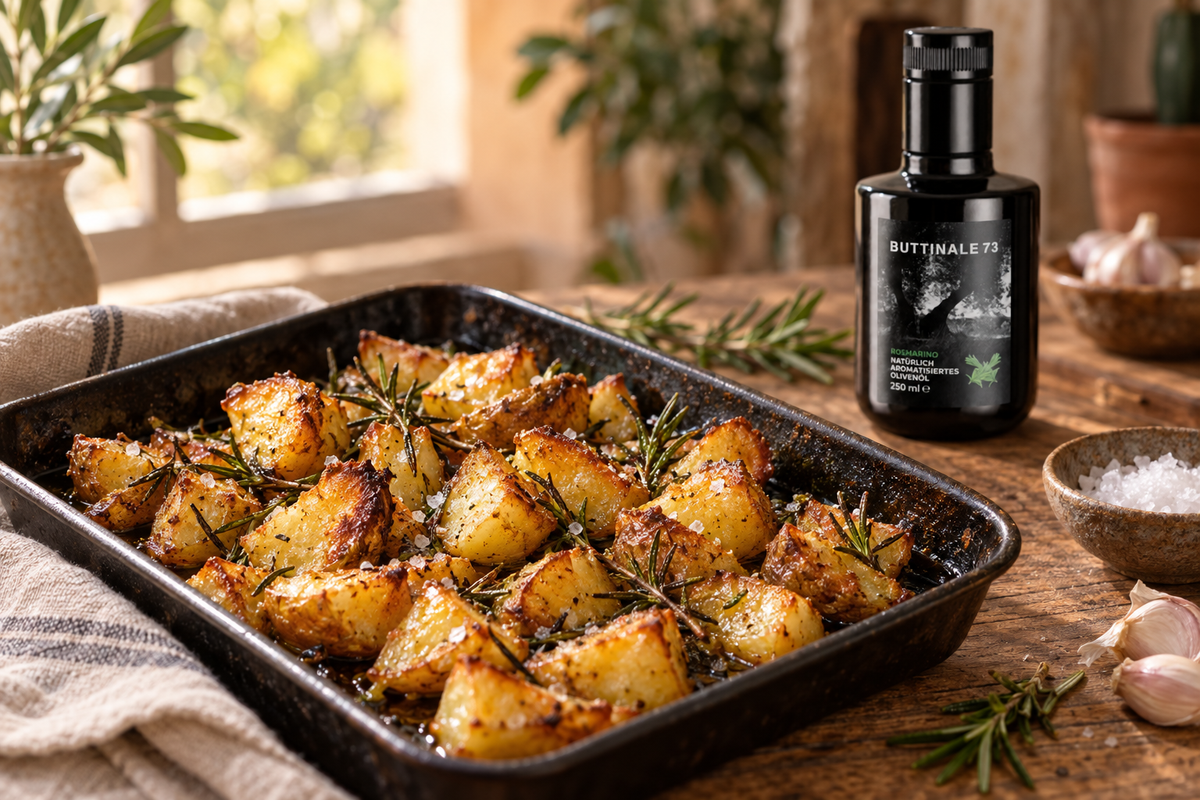
Roast potatoes with rosemary oil: crisp outside, fluffy inside
Crispy roast potatoes in three steps: parboil briefly, steam dry, rough up. Roast them in No 73 ORIGINALE and save the rosemary oil and fleur de sel for when they come out...