



Scrambled eggs with feta and chilli oil: three drops make all the difference
Scrambled eggs with feta and chilli oil: three drops make all the difference
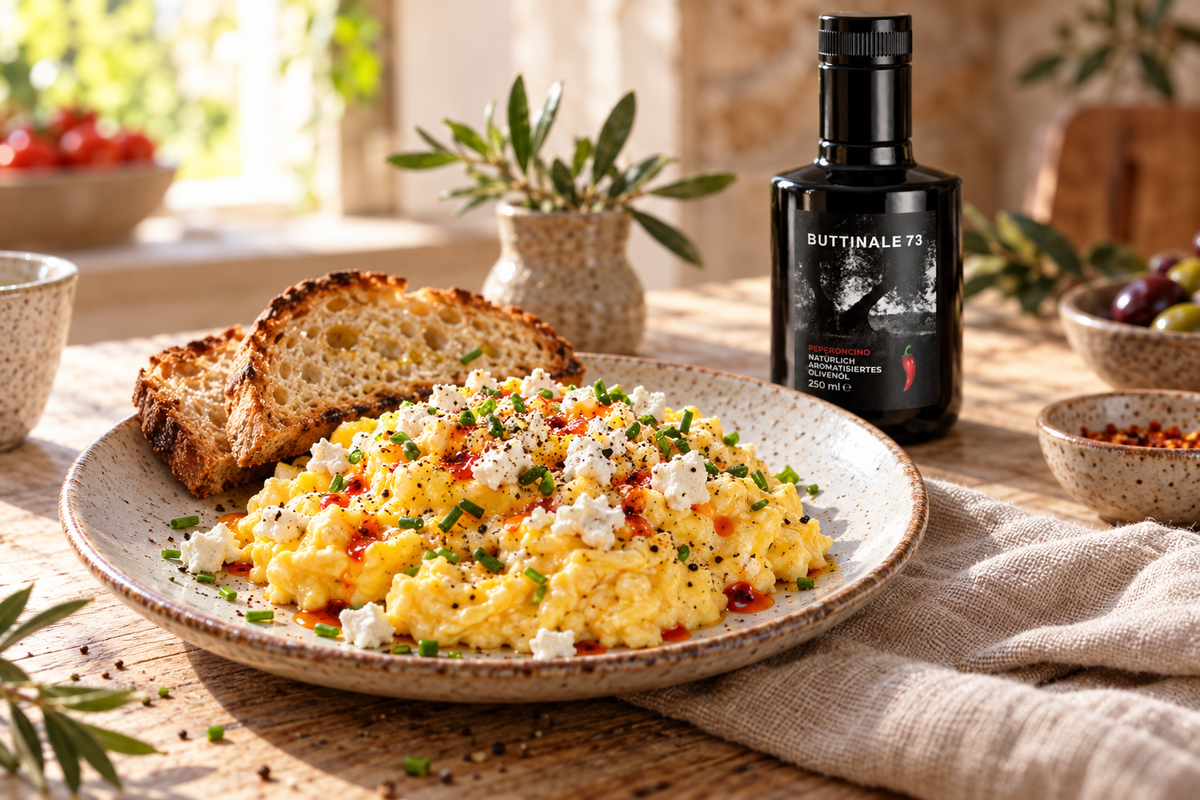
Scrambled eggs with feta turn out creamy if you stir them slowly over a low heat and take them off while they’re still glossy. Crumble the feta over once the eggs are on the plate, then add three to five drops of chilli olive oil, straight onto the eggs, not into the pan.
That’s all it takes. Eggs, feta, a tablespoon of olive oil for the pan, pepper: you’ve probably got all of that already. What’s different is the order. The eggs stay soft, the feta stays salty and crumbly, and the chilli sits in little hot spots instead of running through every mouthful. From cracking the eggs to serving takes a good ten minutes.
Time: 11 mins · Serves: 2 · Difficulty: easy
By Babak Kharabi. Header image: created with AI.
Ingredients
- 4 medium eggs
- 1 tbsp milk, optional
- 1 small pinch of salt
- 1 tbsp extra virgin olive oil for the pan
- 60 g feta
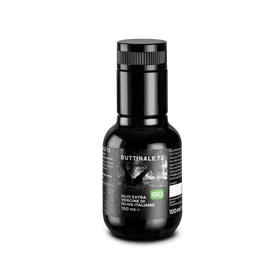
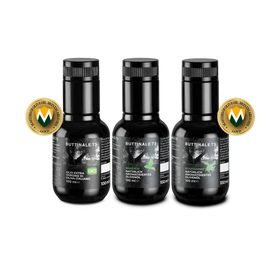
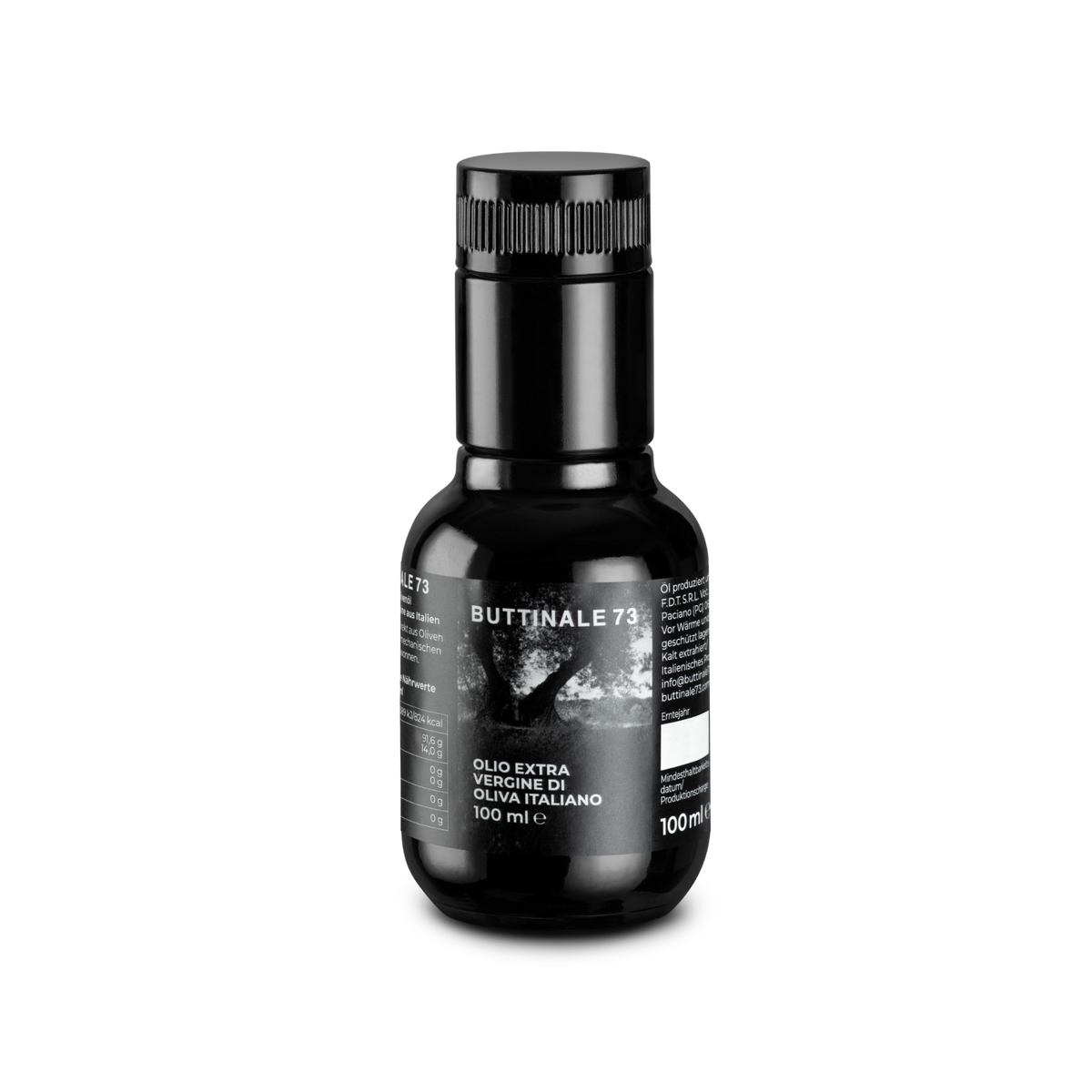
- 6 to 10 drops BUTTINALE73 Manufaktur Chili, our chilli oil (3 to 5 per plate)
- freshly ground black pepper
- 1 tbsp finely chopped chives, optional
- 2 slices of bread, toasted
Method
- Beat the eggs. Beat the eggs with the milk and a small pinch of salt with a fork until there are no streaks of white left. Go easy on the salt: the feta adds plenty later.
- Prep the feta and bread. Crumble the feta into rough pieces with your fingers and leave it at room temperature. Toast the bread and briefly warm two plates.
- Warm the pan. Put 1 tbsp olive oil in a 20 to 24 cm non-stick frying pan and warm it over a low heat, about 3 to 4 on a hob that goes up to 9. The oil should be warm, not smoking.
- Stir slowly. Pour in the eggs and wait about 20 seconds until the edges start to set. Then slowly push them from the edge to the centre with a silicone spatula. Don’t stir frantically. This takes 4 to 6 minutes.
- Take off the heat in time. Take the pan off the heat as soon as the eggs form large curds, look glossy and are still slightly wet. The residual heat finishes the cooking. Transfer straight to the warm plates.
- Serve. Crumble the feta over the eggs, grind over some pepper and scatter with chives. Finally, add 3 to 5 drops of chilli oil per plate, straight onto the eggs. Put the bottle on the table so everyone can add more.
Why a low heat makes the difference
Egg white sets well below boiling point. Over a high heat it tightens and squeezes out water, so the eggs turn dry and crumbly, often with a little puddle at the edge of the plate. Over a low heat you get large, soft curds. It takes two or three minutes longer, and that’s the only extra effort.
The crucial moment is taking the pan off the heat. The pan stays hot, so the eggs keep cooking on the way to the plate. If you wait until they look done, they’ll be overcooked by the time they reach the plate.
Why the feta and oil only go on at the end
Feta in the pan melts, softens and makes the eggs salty throughout. Crumbled over cold, it stays a contrast: salty, tangy and slightly crumbly against the soft egg. That’s also why you salt the eggs only lightly beforehand.
It’s a similar story with the chilli oil. In the pan, the chilli spreads evenly through the eggs, and some of the flavour cooks off. Dropped onto the plate, it gives you little hot spots with mild egg in between, and everyone can add as much as they like. Start with three drops. You can always add more, but you can’t take it away.
Variations with what you’ve got
- Half a tomato, diced and lightly salted, next to the eggs.
- Spring onion instead of chives, thinly sliced.
- A handful of baby spinach wilted in the oil for 1 minute before the eggs go in.
- On toast, built up like a bruschetta: first the bread, then egg, feta and drops of oil.
Which oil we use
For the pan, any extra virgin olive oil will do, and a low heat is no strain on it. We explain the terms on the label in our guide to extra virgin, virgin and cold pressed.
For the drops we use our chilli oil, BUTTINALE73 Manufaktur Chili. The label says ‘naturally flavoured olive oil’, made with fresh peperoncini chillies and no artificial flavourings. At the Masters of Olive Oil Monte Carlo 2025 it won Platinum and 1st place in the flavoured oils category, and in 2026 Gold at the Masters of Olive Oil Monte Carlo and Gold at the London IOOC.
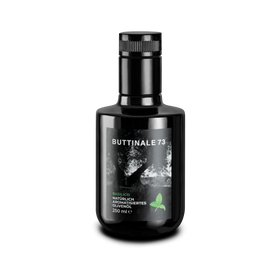
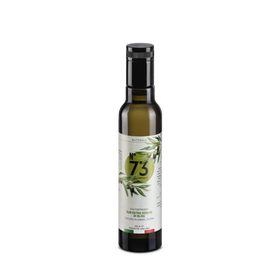
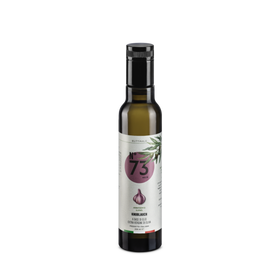
We use a Manufaktur oil here because the oil goes onto the plate cold and on its own, so you taste it directly. For everyday cooking there’s also No 73 AROMA Peppers, a chilli oil that gets its flavour from an added essence. At three to five drops per plate, a 100 ml bottle lasts for a great many breakfasts.
Common questions
Should you add milk to scrambled eggs?
You don’t have to. A tablespoon of milk to four eggs makes them a little lighter, but any more soon makes them watery. Without milk they taste more eggy and still stay soft, as long as you keep the heat low.
Which feta is best for scrambled eggs?
Feta is a Greek cheese with protected designation of origin (PDO) status, made from sheep’s milk or from sheep’s milk with up to 30% goat’s milk. It’s tangy, salty and crumbles cleanly. Cow’s milk salad cheese is milder and creamier. It works too, but gives less contrast with the egg.
Is chilli olive oil the same as chilli oil?
Chilli oil isn’t a protected term. It’s often a neutral oil with chilli flakes, and in Asian cooking it may also contain sesame or other spices. A chilli oil made with olive oil also tastes of olives, which is why it goes so well with feta, tomato and bread.
Can I make scrambled eggs with feta ahead or reheat them?
Scrambled eggs lose their creaminess when reheated, because the egg white keeps tightening and turns firm. You can prep everything around them, though: beat the eggs and chill them, crumble the feta, slice the bread. Don’t start cooking until everyone is at the table.
How do you make scrambled eggs with feta creamy?
Scrambled eggs turn out creamy if you stir them slowly over a low heat and take them off while they’re still glossy. The residual heat finishes the cooking. Crumble the feta over once the eggs are on the plate.
How much salt goes in scrambled eggs with feta?
Just a small pinch for 4 eggs, because the feta adds plenty of salt later. Salt too much at the start and the eggs easily end up too salty. Add pepper at the end.
What vegetables go with scrambled eggs and feta?
Half a diced tomato, thinly sliced spring onions or a handful of baby spinach all work well. Wilt the spinach in the oil for a minute before the eggs go in. The tomato and spring onion go straight onto the plate.
You might also like
All recipes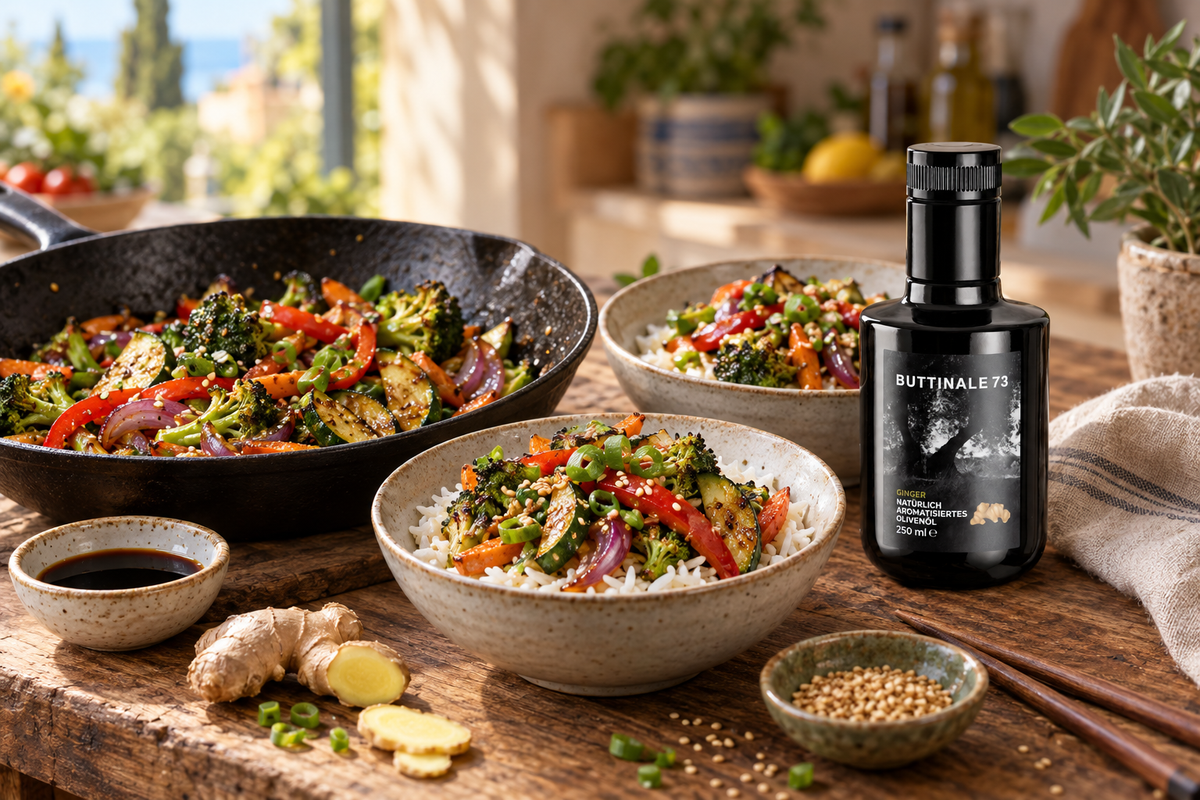
Vegetable stir-fry with ginger oil: a quick weeknight dinner
A vegetarian stir-fry for two in about 35 minutes: firm vegetables first, very little stirring and 3 tablespoons of olive oil for frying. Serve it with rice or noodles, try the crispy...
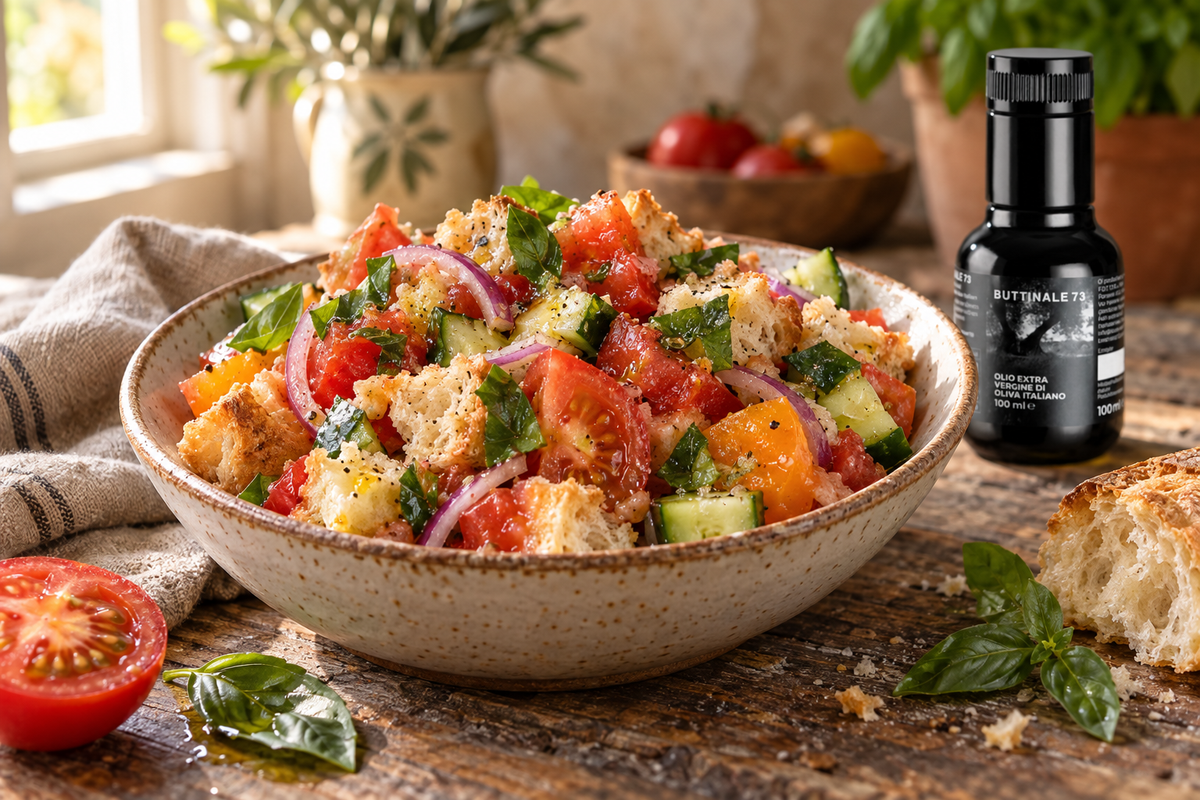
Panzanella: the Tuscan bread salad that rescues stale bread
Panzanella turns two- to three-day-old white bread, ripe tomatoes, red onion, cucumber and basil into a juicy salad. Here’s which bread works, why it needs 4 to 5 tablespoons of olive oil...

Caprese salad with basil oil: when tomatoes and mozzarella need more than salt
Caprese won’t go watery if you slice the tomatoes at room temperature, salt them and leave them for ten minutes, drain the mozzarella and whisk the tomato juice with olive oil into...