



Olio nuovo: what makes new-season olive oil different
Olio nuovo: what makes new-season olive oil different
Olio nuovo is new-season oil: olive oil that goes into the bottle straight after pressing, often unfiltered. It’s usually cloudy, vivid green and more intense than the oil you buy the rest of the year, often bitter and distinctly peppery. In Italy you’ll find it from roughly October to December, depending on the region and the harvest. It’s meant to be used up quickly and is almost always eaten raw, on toasted bread or drizzled over vegetables.
By Babak Kharabi. Header image: created with AI.
What the name means
‘Nuovo’ simply means new. It’s the first oil of the season, bottled in the days after pressing. Instead of sitting in tanks for weeks while the sediment settles, it goes into the bottle just as it comes out of the mill.
Olio nuovo isn’t a quality grade. The EU marketing standard for olive oil doesn’t list it as a category of its own. A good olio nuovo is still extra virgin olive oil, though, and has to meet the same requirements: no more than 0.8% acidity, measured as free fatty acids, no defects at the tasting and noticeable fruitiness. The tasting is done by a panel of 8 to 12 trained tasters. So being new isn’t proof of quality in itself.
Why it’s cloudy: unfiltered olive oil
Fresh from the mill, olive oil contains tiny particles of olive flesh and minute droplets of water. They’re what make it cloudy. Most of the oils you buy during the year are either filtered or left to stand until the sediment sinks to the bottom and the clear oil can be drawn off. With olio nuovo, that step is deliberately skipped. Italian labels will often say ‘non filtrato’, meaning unfiltered.
Cloudy doesn’t automatically mean better. The cloudiness tells you about timing and processing, not about the quality of the olives. A clear, filtered oil can be just as good, and a cloudy one can have defects. What matters is still how it smells and tastes.
What olio nuovo tastes like
Fresh oil shows everything the olive has to offer, holding nothing back. Typical notes are freshly cut grass, green leaves, artichoke and green tomato. Then come two things that surprise a lot of people: bitterness on the tongue and a peppery kick that catches in your throat and can even make you cough. Along with fruitiness, both count as positive attributes at an official tasting. We explain why in Why good olive oil catches in your throat.
The colour is often a bright green. That depends largely on the olives: fruit picked early, while still green, usually gives a greener, more bitter oil than ripe fruit. Green is typical of many new-season oils, but it isn’t a quality criterion. Professional panels even taste from tinted glasses so the colour doesn’t sway their judgement.
When olio nuovo is available
The olive harvest usually starts in autumn and can run into spring. In Italy, the first new oil reaches mill shops and stores from around October, and the main season lasts into December. Exactly when depends on the region, the weather and how ripe the olives are, and it shifts from year to year.
In many olive-growing areas, the new oil is a small event. Mills open their doors, villages hold festivals and trattorias put bread with new oil back on the menu. Outside Italy, olio nuovo is harder to find, usually in specialist shops and in small bottles.
How long it keeps its character
That typical new-season character is a phase, not a permanent state. The oil is at its wildest in the first few weeks after pressing. After that it gradually mellows: the bitterness and the peppery finish fade and the fruit softens. That’s normal development, not spoilage. But olive oil doesn’t improve with age either. It’s meant to be used, not kept.
Why unfiltered oil should be used up soon
The particles don’t stay suspended. Over time they sink and form a sediment of fruit residue and water at the bottom. That sediment can start to ferment, giving the oil musty, fusty off-notes that a tasting panel would mark as a defect. Filtered oil doesn’t have this problem, which is why it stays stable for longer.
Then there are the usual enemies of any olive oil: light, oxygen and heat. They make it age faster, filtered or not. For olio nuovo, that means buying a small bottle, keeping it somewhere cool and dark, tightly closed and away from the hob, and finishing it within the season. If a thick sediment forms at the bottom, it’s time to empty the bottle quickly.
| Feature | Olio nuovo | Filtered oil during the year |
|---|---|---|
| Appearance | cloudy, often bright green | clear, colour depends on the olive |
| Flavour | intense, often distinctly bitter and peppery | rounder, with the bitterness and peppery finish in better balance |
| Shelf life | short, the sediment can develop off-notes | stable for longer if stored well |
| Best for | raw: bread, raw vegetables, soups at the table | raw and for cooking, frying over a medium heat |
How Italians eat olio nuovo
The rule is simple: raw, and plenty of it. Heat takes away exactly what makes fresh oil special.
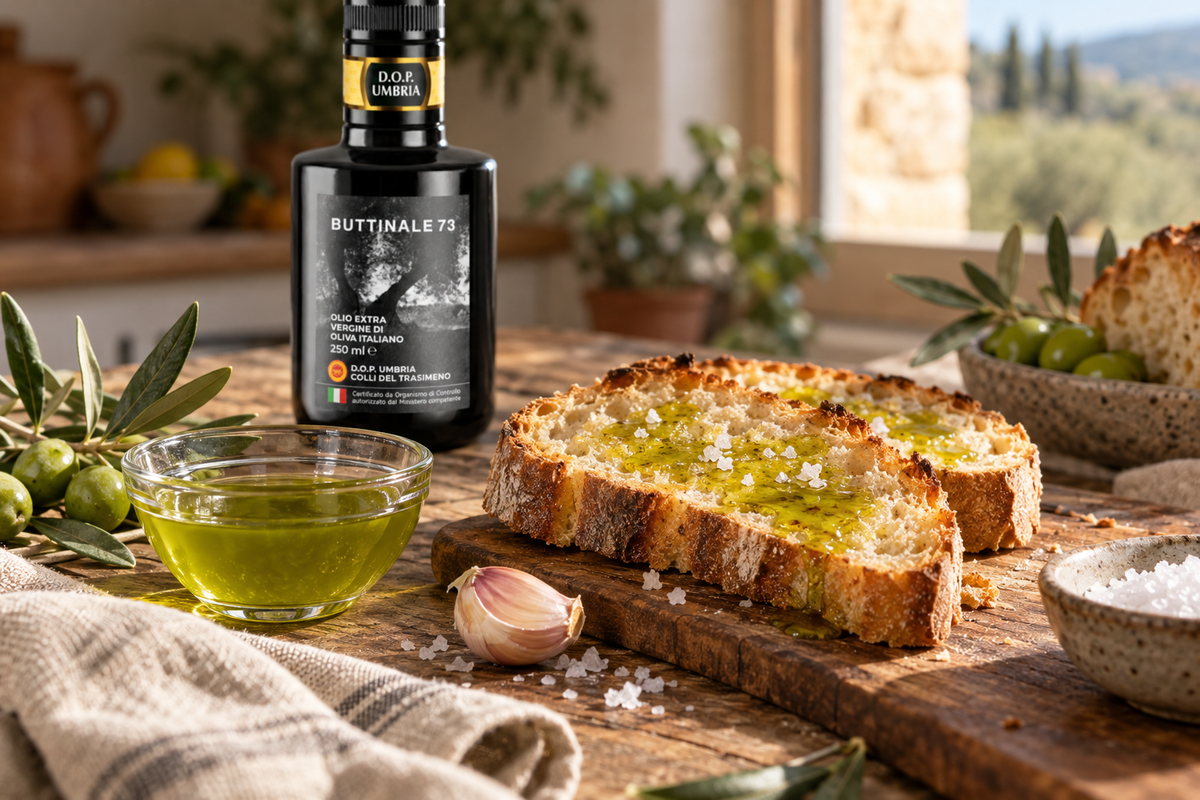
- Fettunta: The name comes from ‘fetta unta’, the oiled slice. Toast thick slices of white bread, rub them with a halved garlic clove, season with salt and pour over enough new oil for it to soak in. That’s all it needs.
- Bruschetta: Fettunta’s close cousin, often topped with tomatoes. Here’s how to get it right: How to make proper bruschetta.
- Pinzimonio: Raw vegetables such as fennel, celery, carrots or radicchio, dipped into a bowl of oil with salt and pepper. Here’s the recipe: Pinzimonio.
- Over beans and soups: A splash of new oil over a plate of white beans or a thick vegetable soup, added at the table.
- Taste it on its own: Take a small spoonful, move it around your mouth for a moment, then breathe out through your nose. You’ll notice the fruit, the bitterness and the peppery kick one after the other.
If you prefer it milder, bread and beans soften the bitterness and the peppery kick nicely. Neither is a flaw, but you don’t have to take it by the spoonful to enjoy it.
What to look for when buying
- Grade: The label should say extra virgin olive oil.
- Harvest year: This tells you which season the oil comes from.
- Container: Go for a small bottle in dark glass or a tin that you’ll finish within the season.
- Smell: fresh, of grass, leaves and green fruit. Rancid, musty or vinegary notes are defects, whether the oil is cloudy or clear.
What this has to do with our olive mill
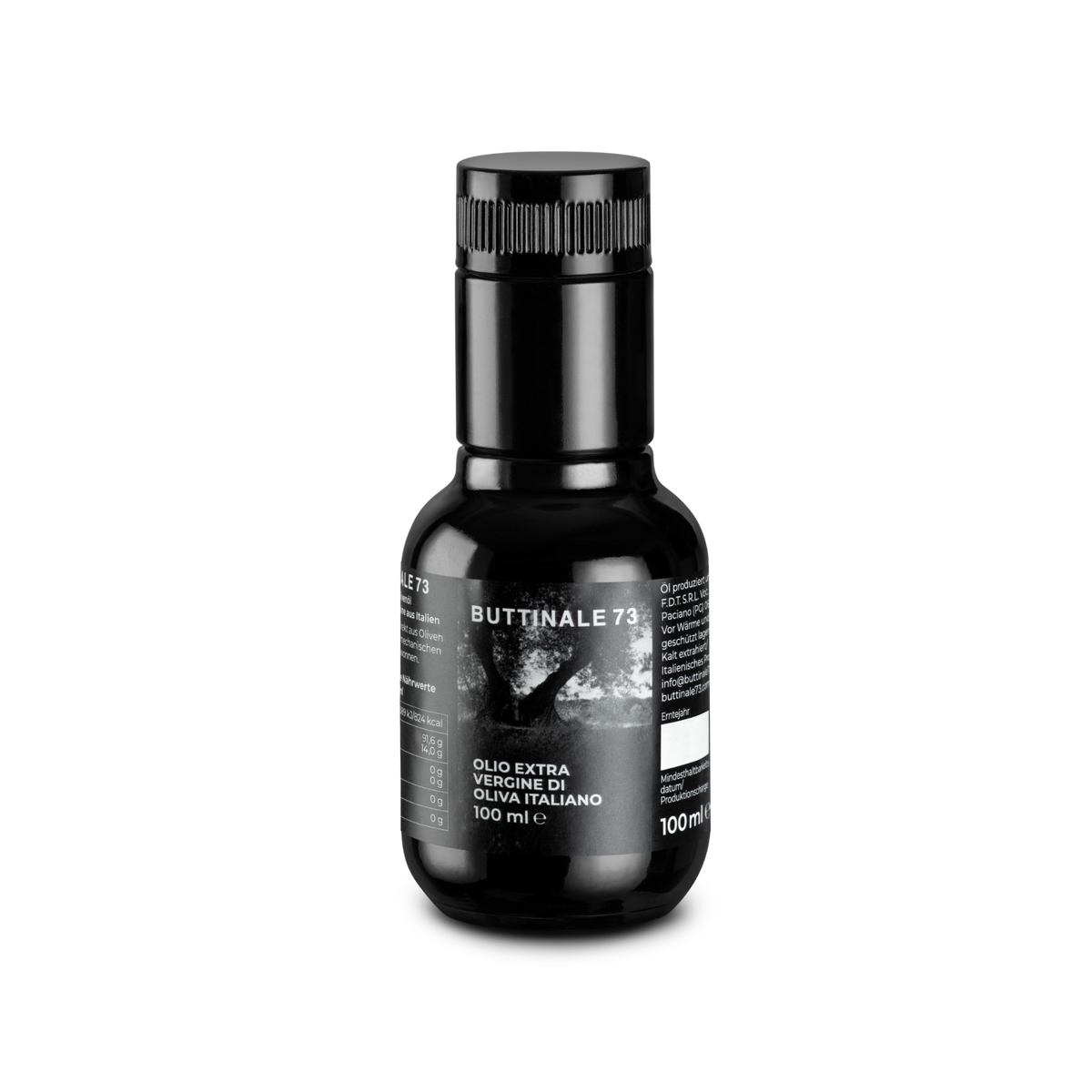
Olio nuovo shows what olive oil can be when little time passes between tree and press. That matters all year round, not just in autumn. Our own olive mill in Paciano, Umbria, has been pressing since 1976. For BUTTINALE73 Manufaktur, the olives are harvested and pressed on the same day; from one of the farms, for instance, it’s only about 3 km to the mill. The olives are chilled first and pressed below 27 °C. Pressing at a higher temperature would give more oil, but we choose not to. The oil is bottled under nitrogen, which slows down oxidation.
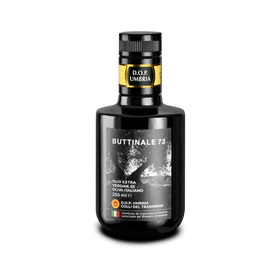
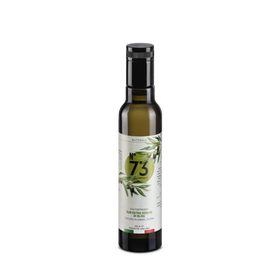
If you’re looking for an oil with a defined origin for fettunta or pinzimonio, BUTTINALE73 Manufaktur D.O.P. carries the protected designation of origin ‘D.O.P. Umbria Colli del Trasimeno’. With a PDO (Protected Designation of Origin), production, processing and preparation all take place within the defined area, in this case in Umbria, in the hills around Lake Trasimeno. It’s carefully harvested and comes in 250, 500 and 750 ml bottles. We don’t sell it as olio nuovo.
Common questions
Can you cook with olio nuovo?
You can. Frying over a medium heat, at up to about 180 °C, is generally considered fine for extra virgin olive oil. But most of the fresh, green character is lost when it’s heated. That’s why olio nuovo is almost always used raw in Italy.
Has cloudy olive oil gone off?
Not necessarily. Oil is cloudy either because it’s unfiltered or because it’s been kept too cold. In the fridge, olive oil turns cloudy and starts to solidify, then clears again at room temperature. That isn’t a sign of poor quality. Your nose will tell you if an oil has gone off: rancid, musty or vinegary smells are defects.
How can I tell from the label that an oil is from the new harvest?
From the harvest year. It may only appear on the label of virgin oils, and only if 100% of the oil in the bottle comes from that harvest. If it’s missing, the oil may be a blend of different harvests.
Can you use olio nuovo in a salad dressing?
Yes, but keep the dressing simple. Lots of vinegar, mustard or honey will drown out exactly what makes fresh oil special. A squeeze of lemon, salt and the oil are all you need, especially with bitter leaves such as radicchio.
Read more
Guides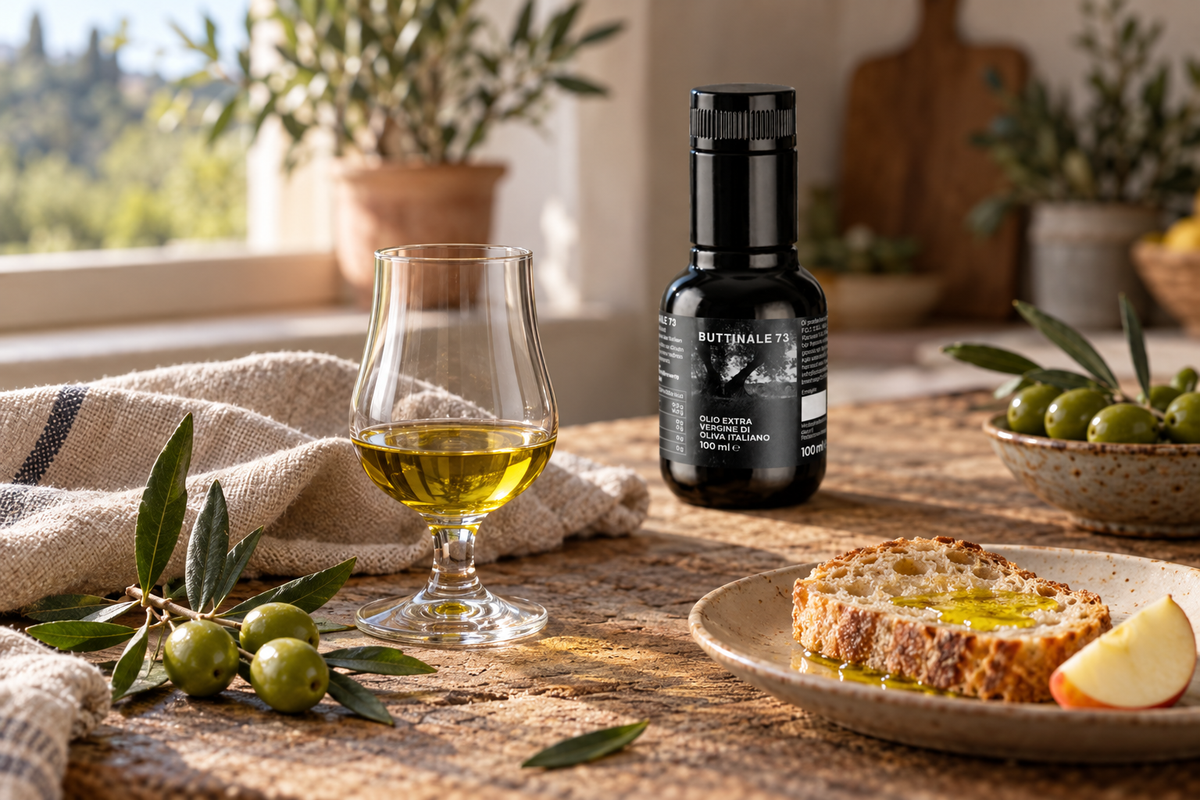
Why good olive oil catches in your throat
A peppery catch in your throat and a bitter note aren’t faults in extra virgin olive oil: they’re two of the three positive attributes tasters look for. Here’s where they come from,...
Extra virgin, virgin, cold pressed: what the olive oil labels really mean
Extra virgin is the top EU grade for olive oil; cold pressed isn’t a grade at all. Here’s what the terms on the label mean, with all the limits.